Stir-fry basics: a beginner’s guide to cooking in a wok
A good stir-fry feels like magic: ten minutes, one pan, a plate full of color. The secret isn’t a special recipe. It’s a few habits that, once you know them, make almost any combination of vegetables and protein work.
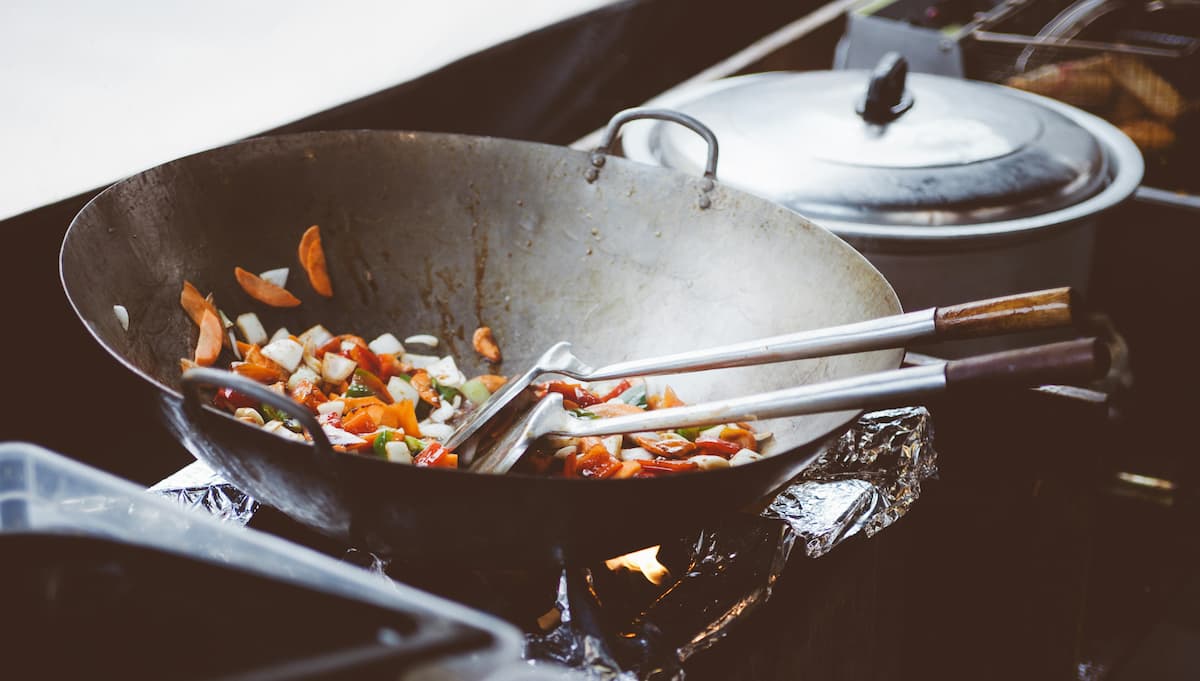
You don’t need a wok to start
A carbon steel wok is wonderful, but a large, heavy skillet does the job well, especially on an electric or induction stove where a round-bottom wok can’t reach full heat. What matters is a wide surface and a pan that holds heat.
Rule one: prep everything first
Stir-frying is fast. Once the pan is hot, you won’t have time to chop an onion. Slice your ingredients, mix the sauce and set everything next to the stove before you turn on the burner. Cutting pieces roughly the same size helps them cook evenly, and patting vegetables and meat dry keeps them from steaming instead of searing.
Rule two: get the pan hot, and use the right oil
Heat the pan until a drop of water sizzles and disappears right away. Use an oil with a high smoke point, such as peanut, canola, avocado or another neutral vegetable oil. Olive oil is better saved for other dishes. Stay at the stove, because hot oil needs attention. Keep a lid nearby, and if oil ever catches fire, cover the pan and turn off the heat. Never use water on it.
Rule three: cook in stages and don’t crowd the pan
A crowded pan traps steam and gives you soggy food. Cook in batches if you need to. A simple order works for nearly everything:
- Sear the protein first, then take it out of the pan.
- Cook firm vegetables such as carrots and broccoli, then softer ones like peppers and snap peas.
- Add garlic and ginger last for about thirty seconds, since they burn quickly.
- Return the protein, pour in the sauce and toss for a minute.
A sauce you can make from the pantry
Stir together about three tablespoons of soy sauce, a teaspoon of sugar, a teaspoon of rice vinegar, a teaspoon of toasted sesame oil and a splash of water. For a glossy sauce that clings, whisk in a teaspoon of cornstarch before pouring it into the pan. Taste it, then adjust: more sugar if it’s sharp, a little more vinegar if it’s flat.
Make the chicken tender
For sliced chicken, toss it with a teaspoon of cornstarch and a splash of soy sauce for ten minutes before cooking. It sears better and stays juicy. Cook poultry until it reaches 165°F in the thickest piece. A quick check with a thermometer is worth it.
Keep reading: How to meal plan for a week in 30 minutes · All everyday meals