
Cast iron, stainless, nonstick or carbon steel: which pan for what?
Every kitchen seems to collect pans: a dented skillet from a roommate, a nonstick one that’s seen better days, maybe a heavy cast iron pan someone swore would change your life. They all look like they do the same job. They don’t, and picking the right one for tonight’s dinner makes cooking easier. This guide compares the four most common types in plain terms.
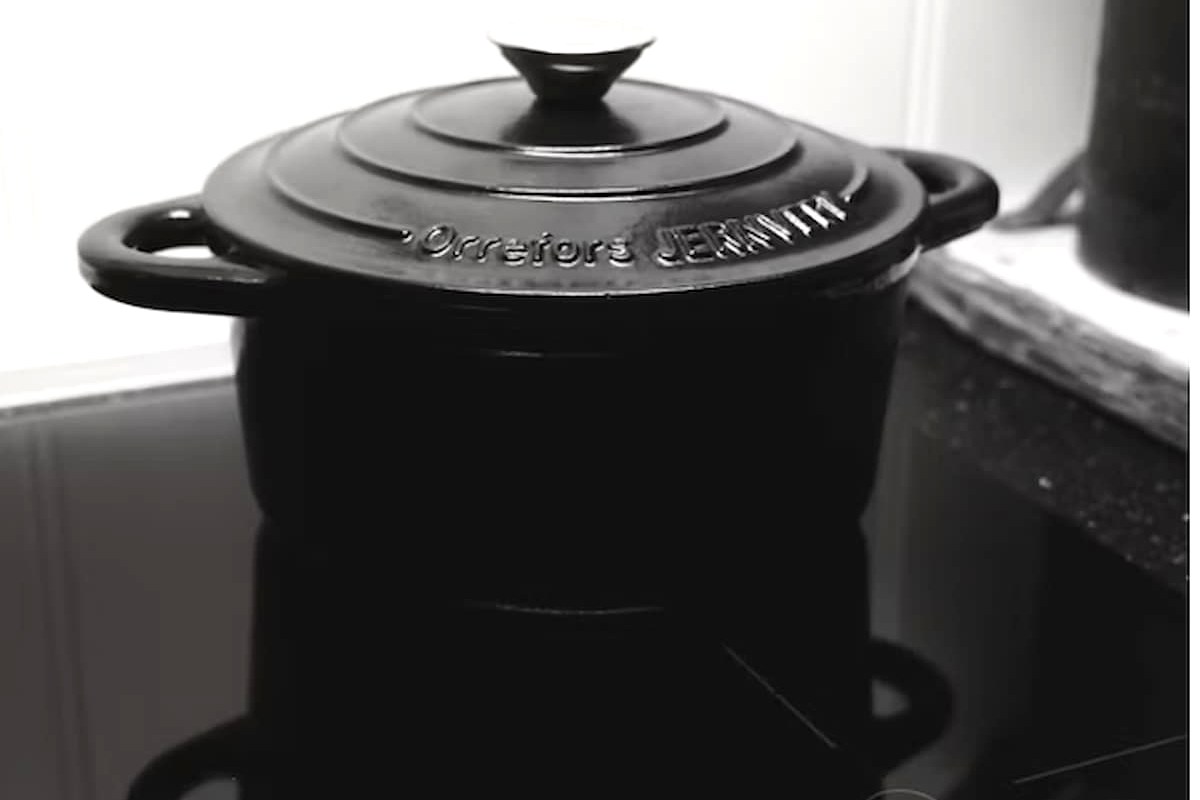
You don’t need a pan for every task. The goal is to know what each one is good at, so the few you own get used for the right jobs.
In this guide · 11 sections
- The short answer
- Cast iron: slow to heat, hard to beat for crust
- Carbon steel: lighter and quicker
- Stainless steel: the everyday workhorse
- Nonstick: easy, but mind the heat
- Match the pan to the meal
- Two habits that matter more than the pan
- If you only buy two
- Care cheat sheet
- Pan questions, answered
- Sources and further reading
The short answer
Here is the whole comparison in one table. The sections after it explain the reasoning and the care each pan needs, so you can match the pan to the meal instead of buying a fifth skillet that does what the first four already do.
| Pan | Best at | Trade-off | Upkeep |
|---|---|---|---|
| Cast iron | Deep searing, baking, oven roasting, braising | Heavy and slow to heat; acidic foods wear down its seasoning | Seasoning, hand washing, thorough drying |
| Carbon steel | Stir-frying, quick sears, eggs, crepes | Needs seasoning; reacts to how you treat it | Seasoning, hand washing, thorough drying |
| Stainless steel | Everyday sautéing, sauces, pan sauces, acidic dishes | Food sticks if the pan or oil isn’t ready | Usually the simplest; follow the maker’s instructions |
| Nonstick | Eggs, delicate fish, easy cleanup | Can’t take very high heat or an empty, hot pan | Gentle heat, soft tools, no dry preheating |
Cast iron: slow to heat, hard to beat for crust
Cast iron is thick and heavy, which is both its strength and its drawback. It takes a few minutes to heat up, but once it’s hot, it stays hot. Made In’s cookware guide says cast iron holds heat longer and keeps the surface hot when cold food hits the pan, which is why it is the usual choice for steaks, thick chops and a deep, brown crust. Its weight is real, too: the same source puts a 12-inch skillet at roughly 6 to 9 pounds.
It also goes from the stovetop to the oven, so it is a natural pan for cornbread, a roast chicken or a one-pan dinner that finishes in the oven. The University of Illinois Extension lists baking cornbread, stir-frying vegetables and searing fillets among the things it does well.
Where it struggles
Acid is the main enemy. The same Illinois Extension guide notes that acidic, high-moisture foods such as tomatoes absorb the most iron, and that the acid breaks down the seasoned surface, so the pan has to be re-seasoned more often. If you simmer tomato sauce for an hour every week, another pan will serve you better. A quick pan of tomatoes now and then is fine; just expect to refresh the seasoning sooner.
How to look after it
- Season it. The University of Maine Cooperative Extension describes washing and drying the pan, rubbing a thin coat of neutral, high-smoke-point oil inside and out, and baking it upside down at about 450°F for one hour, then repeating three to five times for a solid first coat.
- Clean it while it’s still warm. Wipe out food and use hot water with a soft brush, a chainmail scrubber or a non-abrasive pad. Steel wool and scouring pads can strip the seasoning.
- Dry it completely, then rub in a few drops of oil. Leftover moisture is what causes rust.
- Never soak it, never put it in the dishwasher, and never rinse a hot pan under cold water, which can warp or crack it.
On soap, the extension sources aren’t in complete agreement: Maine says there is no clear consensus and that a small amount is fine if you rinse and dry the pan well, while Illinois recommends mild or diluted soap. The point both make is the same: avoid harsh detergents and large amounts.
Carbon steel: lighter and quicker
Carbon steel looks like a lighter cousin of cast iron, and it behaves like one too. Made In’s comparison lists a 12-inch carbon steel pan at 4.3 pounds against 8.2 pounds for a 12-inch cast iron skillet. The same source says carbon steel reaches searing temperature in about 90 seconds, against three to four minutes for cast iron, and that it reacts faster when you turn the flame up or down. These are the manufacturer’s figures, so treat them as a guide rather than a lab result. They explain why this is the pan professionals reach for in stir-fries and quick, hot sautés.
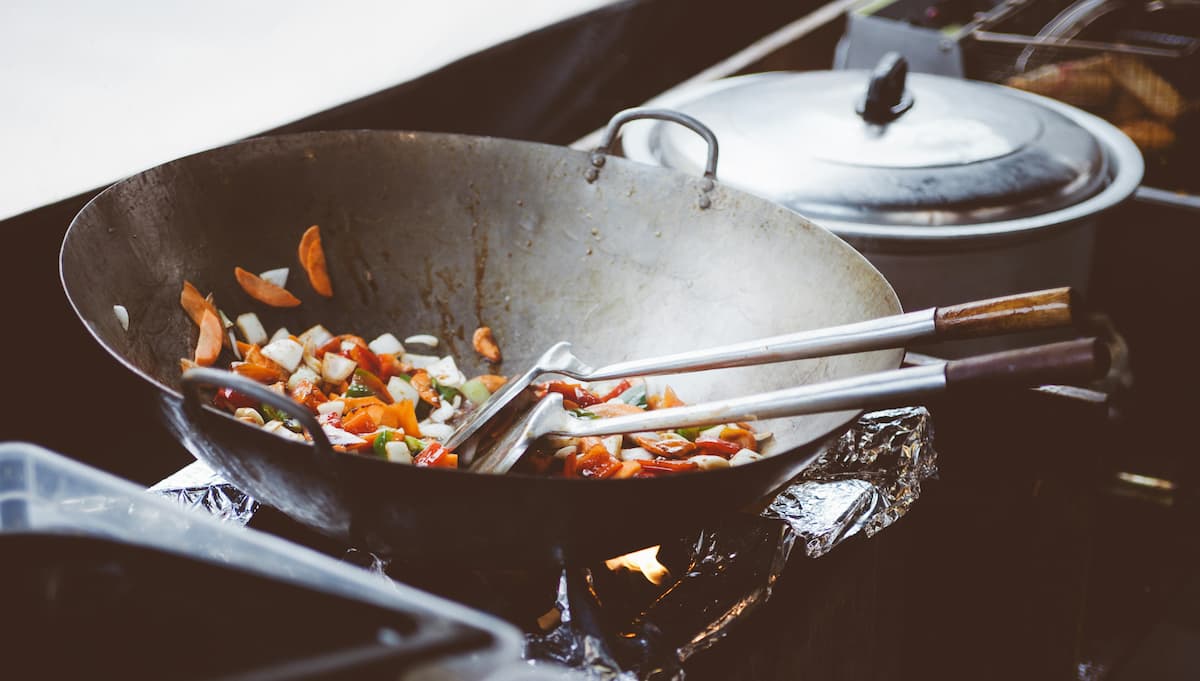
Both materials build a natural nonstick layer the same way: thin coats of oil heated past their smoke point. So carbon steel needs seasoning and the same careful drying as cast iron. It gives up some heat retention in exchange for speed, so a steak will sear well, but the pan cools faster when you add a lot of cold food at once. If you cook stir-fries often, our guide to stir-fry basics explains how to get the most out of a wok or a wide pan.
Stainless steel: the everyday workhorse
A stainless steel skillet is the pan most home kitchens end up using the most. It doesn’t need seasoning, it can usually take acidic ingredients like tomatoes and lemon without a problem, and it develops the browned bits on the bottom that you can turn into a pan sauce with a splash of stock or wine. Check your pan’s own instructions for oven limits and dishwasher use, because they vary by maker.
Its weak spot is sticking, and that is mostly a matter of technique rather than a flaw in the pan. The usual practice is to heat the pan first, add the oil, then add the food and leave it alone until it releases by itself. Pale, wet or cold food from the fridge sticks more, so pat meat dry and let it sit out briefly before cooking. If you pull at a piece of chicken and it won’t move, it usually isn’t ready to turn yet.
Because a stainless pan needs no special care, it is a sensible first skillet if you only want to buy one. That is general cooking practice and our own view, not the result of any test.
Nonstick: easy, but mind the heat
Nonstick is the most forgiving pan for eggs, pancakes and delicate fish, and it cleans up in seconds. The price is a ceiling on heat.
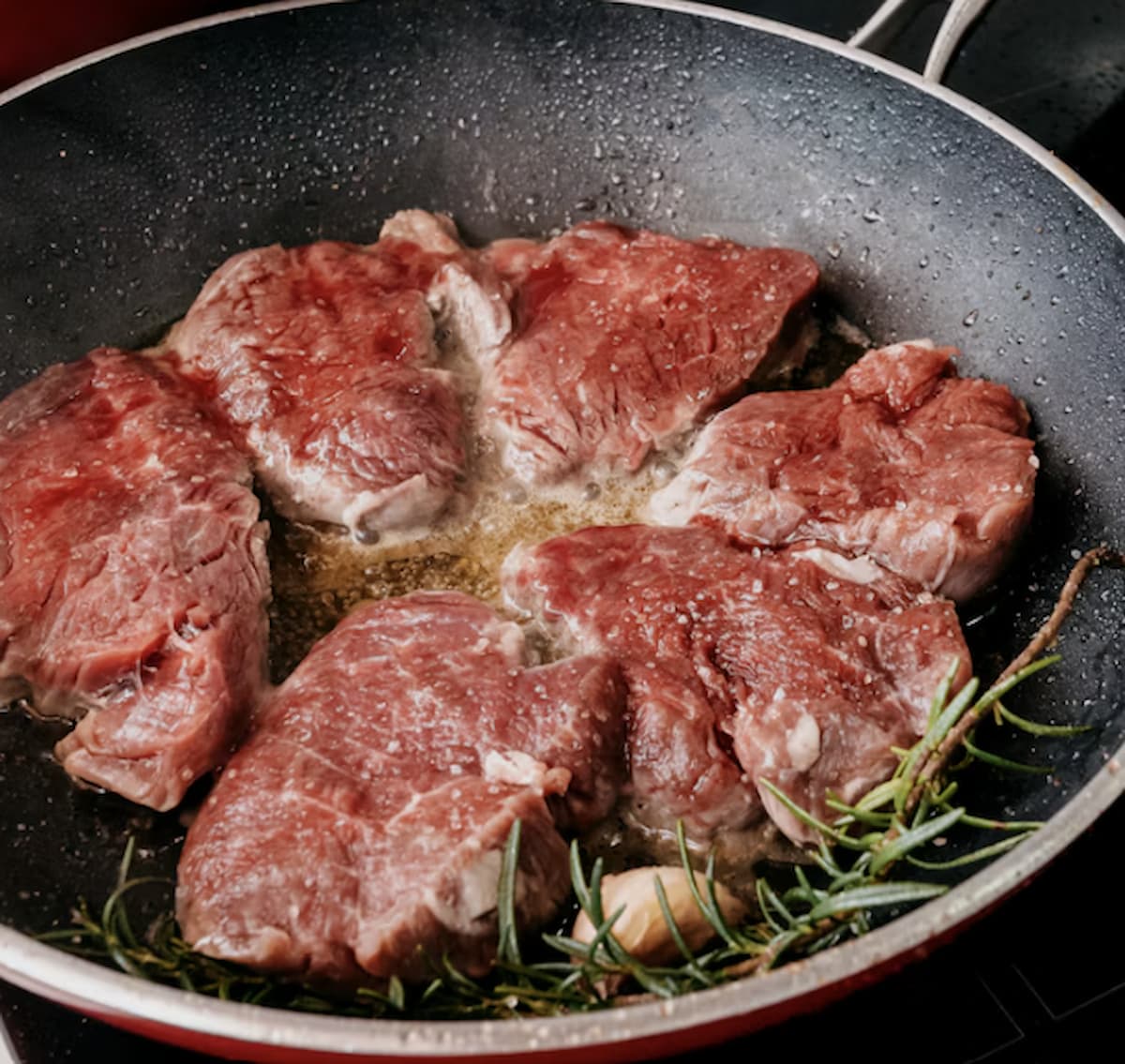
America’s Poison Centers says Teflon-type coatings start to break down above about 500°F, and warns that heating a dry, empty nonstick pan can get it very hot very quickly. Germany’s Federal Institute for Risk Assessment (BfR) gives a higher figure for the coating’s decomposition, about 360°C (680°F), and advises never to heat the pan empty, especially on gas and induction, which heat fast. The figures differ, but the advice agrees: cook on low to medium heat, keep the pan filled with food or oil, and ventilate. Overheated fumes can cause a short flu-like illness, polymer fume fever, whose symptoms usually clear within a day or two, and birds are far more sensitive, so keep pet birds out of the kitchen.
The BfR also notes that small particles from a scratched coating are not expected to harm health, because PTFE is inert and passes through the body unchanged. Even so, a pan whose coating is worn or peeling is not performing as it should, so follow the manufacturer’s guidance on when to replace it. Use wooden or silicone tools, wash by hand unless the maker says otherwise, and keep it away from open flames and grills.
Match the pan to the meal
If a recipe doesn’t say which pan to use, this table makes the choice quick.
| Dish | Good choices | Why |
|---|---|---|
| Steak or thick chop | Cast iron, carbon steel | Both take very high heat and brown deeply |
| Stir-fry | Carbon steel or a wide pan | Fast heat response and easy to toss |
| Fried or scrambled eggs | Nonstick, seasoned carbon steel | Food releases easily at moderate heat |
| Tomato sauce, lemon sauces | Stainless steel | Acid wears down the seasoning on cast iron |
| Pan sauce after searing | Stainless steel | Browned bits dissolve into the liquid |
| Cornbread, oven roasts | Cast iron | Holds heat and goes into the oven |
| Delicate fish | Nonstick | The skin and flesh are less likely to tear |
Two habits that matter more than the pan
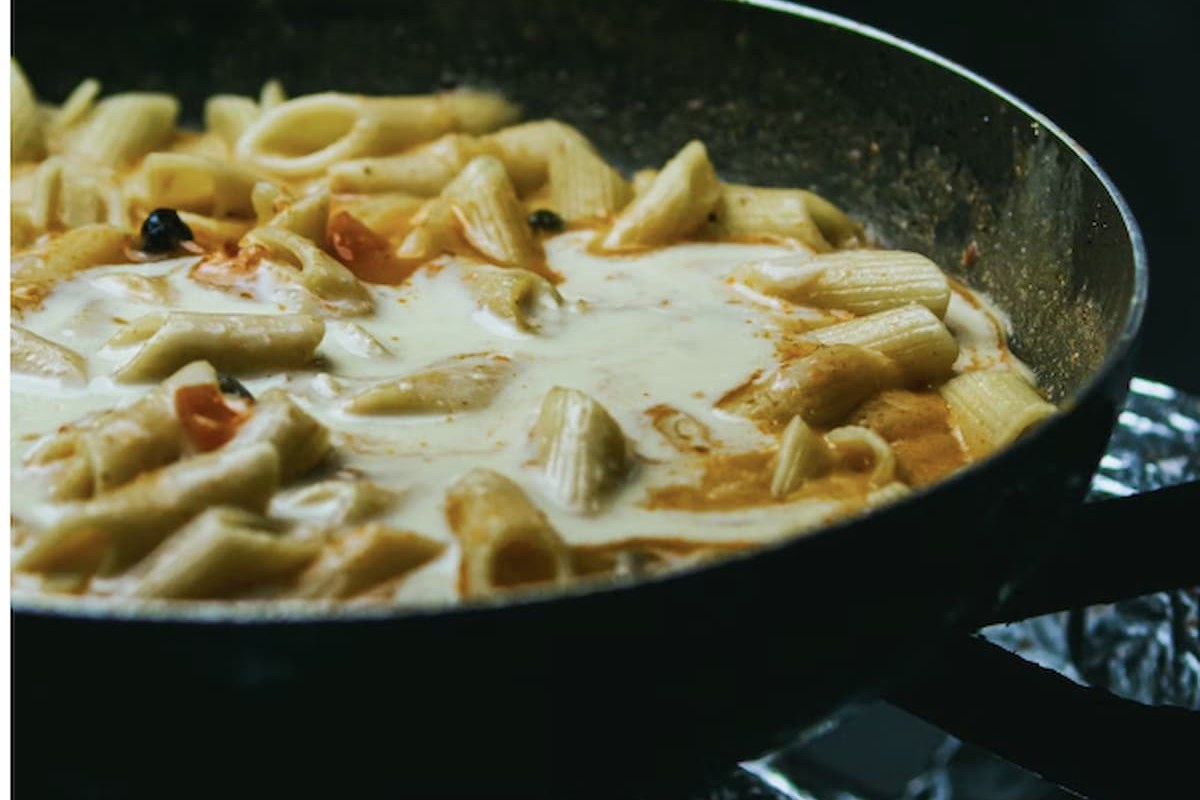
Plenty of “sticking” and “steaming” problems come from how the pan is used, not from the pan. Dry meat browns, wet meat steams, so pat it dry with paper towels before it goes in. Preheat the pan so the food sizzles when it lands. And give each piece room, because crowding drops the temperature and the food stews in its own juices. The cooking-temperature basics are covered in our guide to the tools a home cook needs.
If you only buy two
You don’t need all four. A practical pair for most households is a stainless steel skillet for everyday cooking and sauces, plus either a nonstick pan for eggs and fish or a cast iron skillet if you love a hard sear. Add carbon steel when you find yourself cooking stir-fries every week.
Before you buy a new one, run through three quick questions: how often will you use it, do you already own a pan that does the same job, and will it be easy to clean and store? If you can’t say yes to all three, wait.
Care cheat sheet
| Pan | Wash | Avoid |
|---|---|---|
| Cast iron | Hot water, soft brush, dry at once, light oil | Soaking, dishwasher, steel wool, cold water on a hot pan |
| Carbon steel | Same as cast iron | Soaking and leaving it wet |
| Stainless steel | Warm soapy water; follow the maker’s instructions | Heating an empty pan for long periods |
| Nonstick | By hand with a soft sponge unless the maker allows the dishwasher | High heat, empty preheating, metal tools, open flames |
Pan questions, answered
Which pan is best for a beginner?
A stainless steel skillet is a reasonable first pan because it needs no seasoning and handles most foods. Add a nonstick pan if eggs and delicate fish are on your regular menu.
Can I cook tomato sauce in cast iron?
You can, but the University of Illinois Extension says acidic, high-moisture foods like tomatoes absorb the most iron and break down the seasoning, so the pan needs re-seasoning more often. For long simmers, stainless steel is easier.
Is it safe to use a scratched nonstick pan?
Germany’s BfR says particles from a scratched PTFE coating are not expected to harm health. A worn pan still won’t work as well, so follow the maker’s advice on replacing it.
At what temperature does nonstick coating break down?
America’s Poison Centers says Teflon-type coatings start to break down above about 500°F. The BfR gives about 360°C (680°F) for decomposition. Cook on low to medium heat and never heat the pan empty.
Is carbon steel the same as cast iron?
They are different materials but behave alike. Carbon steel is lighter and heats and cools faster, while cast iron is heavier and holds heat longer. Both need seasoning.
Can I put cast iron in the dishwasher?
No. The University of Illinois Extension and the University of Maine Cooperative Extension both say to keep cast iron out of the dishwasher, because it removes the seasoning and can rust the pan.
Sources and further reading
Cast iron seasoning and care follow the University of Maine Cooperative Extension’s Cast Iron Basics and the University of Illinois Extension’s guide to cast iron cookware. Weights, heat-up times and best uses for carbon steel and cast iron come from Made In’s carbon steel vs. cast iron comparison, a manufacturer, so those figures are the company’s own. Nonstick temperature limits and fume advice follow America’s Poison Centers’ “Teflon flu” article and the German Federal Institute for Risk Assessment’s questions and answers on PTFE-coated cookware. The advice on stainless steel is general cooking practice and was not taken from a single source. Check each pan’s manufacturer instructions. “Fatih’s note” boxes are his own working habits.
Keep reading
 Kitchen · 8 min readThe kitchen tools a home cook actually needsA short, honest list of the kitchen tools that matter, and which ones you can skip.
 Everyday Meals · 10 min readStir-fry basics: a beginner’s guide to cooking in a wokLearn how to stir-fry at home: wok or skillet, heat and oil, prep, cooking order, a pantry sauce, tender meat and safe temperatures.
 Kitchen · 7 min readHow to care for kitchen knives at homeEasy habits for washing, storing, honing and using kitchen knives safely.