
How to store fresh fruits and vegetables so they last longer
You buy a beautiful bunch of greens on Saturday and by Thursday it’s a slimy bag at the back of the drawer. Everyone has been there. A lot of produce waste comes down to a handful of storage mistakes, and they’re easy to fix once you know them.
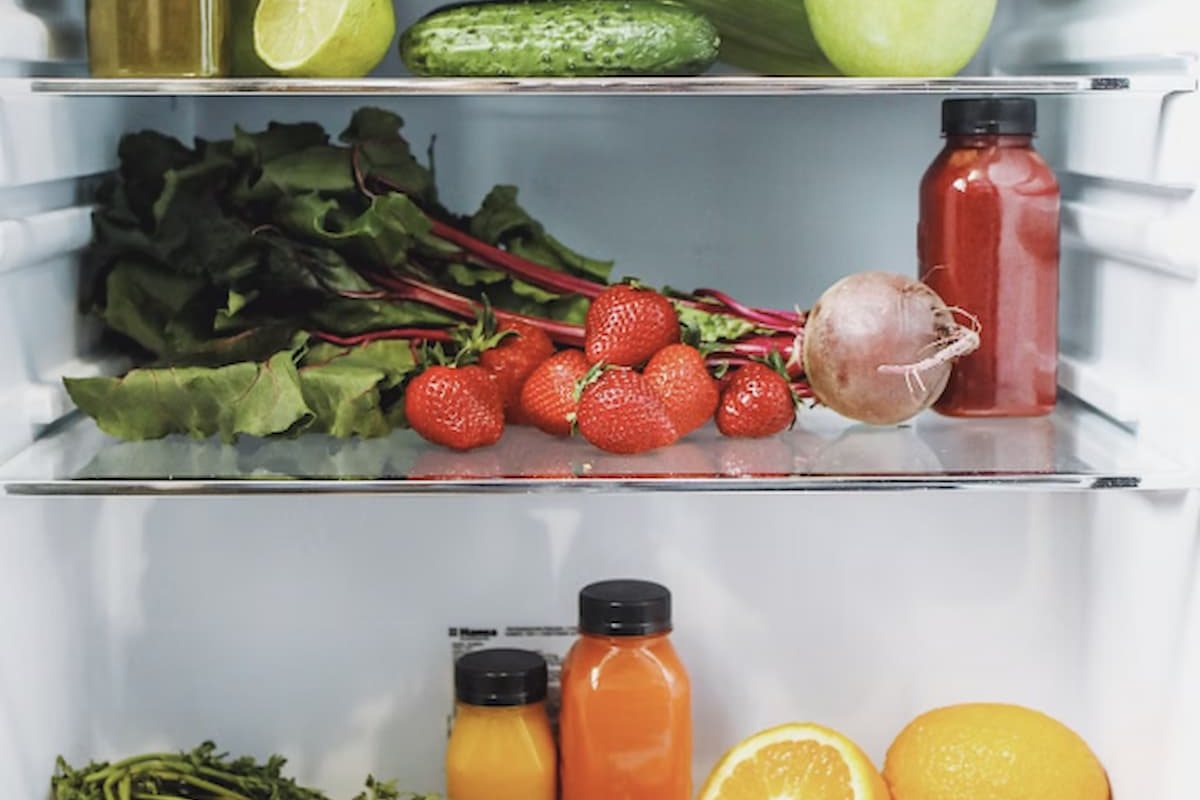
The rules below come from university extension and U.S. Food and Drug Administration guidance, with a few common kitchen habits clearly labeled as habits. The big ideas: keep the right things on the counter and the right things in the fridge, keep fruits that ripen others away from vegetables that spoil easily, and keep everything clean and cold enough to be safe.
In this guide · 12 sections
- Counter or fridge? Start here
- Know the ethylene gas rule
- Wash when you’re going to use it
- Keep produce away from raw meat
- Cut, packaged and pre-washed produce
- A few produce-specific habits
- Grow a few things yourself
- Use what you have before it goes
- Shop for freshness, not just for price
- Quick cheat sheet
- Storage questions, answered
- Sources and further reading
Counter or fridge? Start here
Not everything belongs in the refrigerator. Cold can ruin the texture and flavor of some produce, and others last far longer when it’s kept cool. Mississippi State University Extension’s storage guide sorts it like this.
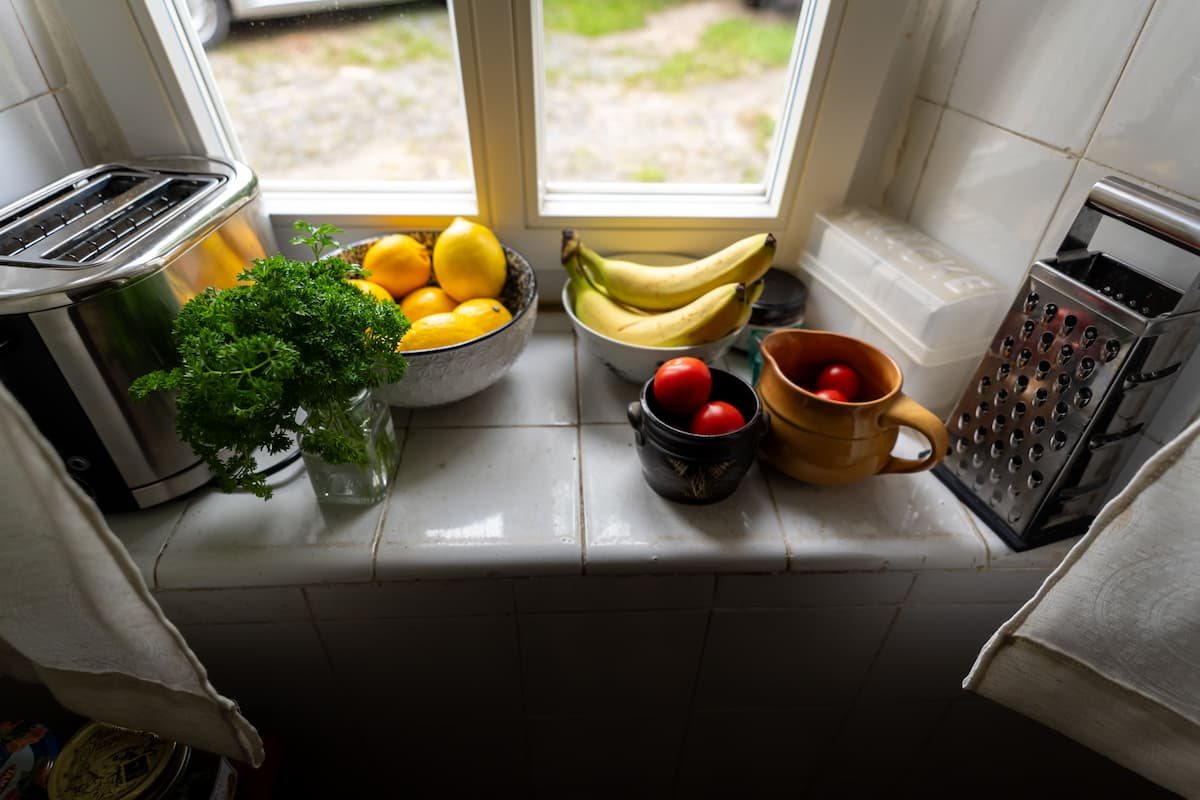
- Counter or pantry, away from heat (about 60 to 70°F): bananas, potatoes, sweet potatoes, dry onions and tomatoes. Onions and garlic like a cool, dry, dark spot where air can reach them, so a basket is better than a closed bag.
- Counter until ripe, then the fridge: peaches, pears, plums and melons. Once they smell sweet and give slightly, move them to the refrigerator to slow things down.
- Refrigerator: most leafy greens, carrots, broccoli, peppers, cucumbers, berries and cut produce.
Mississippi State recommends a refrigerator temperature of 39°F or less, and the FDA recommends 40°F or below, checked with a refrigerator thermometer. If your fridge runs warmer than that, your produce will go off faster, and it’s also a food-safety problem.
Know the ethylene gas rule
Some fruits release a natural gas called ethylene, which helps them ripen. It’s useful when you want a hard avocado to soften, and a problem when it speeds up the spoiling of the vegetables next to it. Mississippi State’s guidance says ethylene can make most vegetables and some fruits deteriorate faster. It lists apples, avocados and tomatoes among the fruits that give off ethylene, and broccoli, carrots and lettuce among the vegetables that are sensitive to it.
The practical takeaway: give ethylene producers their own spot, away from the sensitive ones. Don’t put a ripe tomato or apple in the same drawer as your lettuce and broccoli. A separate drawer or a separate bowl is enough.
| Group | Examples | Where |
|---|---|---|
| Keep out of the fridge | Bananas, potatoes, onions, garlic, tomatoes | Counter or pantry |
| Ripen first | Peaches, pears, plums, melons | Counter, then refrigerate |
| Ethylene producers | Apples, avocados, tomatoes | Away from sensitive produce |
| Ethylene-sensitive | Lettuce, broccoli, carrots | Fridge, apart from producers |
Wash when you’re going to use it
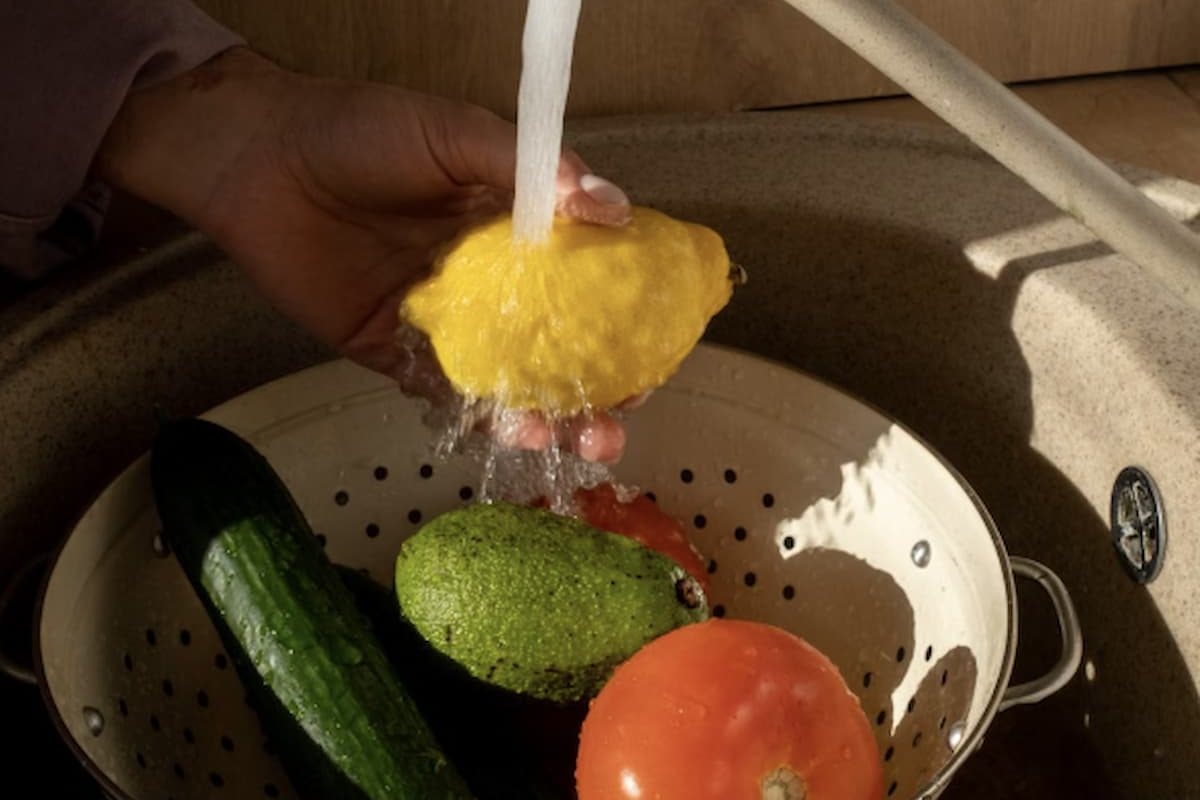
The FDA says to wash produce thoroughly under running water before preparing or eating it. It specifically says not to use soap, detergent or commercial produce wash, because produce is porous and can absorb them. After washing, dry it with a clean cloth or paper towel, which further reduces surface bacteria. The FDA also notes that washing reduces bacteria but doesn’t eliminate it, which is why storage temperature and keeping raw produce away from raw meat matter.
Many cooks wash right before use rather than the day they shop, because wet produce tends to spoil faster. That’s a widely used habit rather than an FDA instruction. The exception is berries and leafy greens you plan to eat soon. Washing and drying those well, then storing them with a dry paper towel, can work well.
Keep produce away from raw meat
The FDA recommends keeping produce that will be eaten raw separate from raw meat, poultry and seafood, and from the utensils used for them. In the fridge, that means putting raw meat on a lower shelf in a container, so juices can’t drip onto anything. Use a separate cutting board for meat, which our guide to cutting boards covers in more detail.
Cut, packaged and pre-washed produce
The FDA says to refrigerate all produce that is purchased pre-cut or packaged. Cut melon, bagged salad and sliced vegetables don’t belong on the counter. Use them within a few days, and follow the date on the package.
A few produce-specific habits
- Leafy greens. Store them in the fridge, dry, with a paper towel in the container or bag to absorb extra moisture. Excess water is what makes them slimy.
- Herbs. A common habit is to stand soft herbs like cilantro or parsley in a jar with a little water, loosely covered, in the fridge. It works well for many people, though it isn’t extension guidance. Basil is the exception, since it prefers room temperature.
- Berries. Keep them dry and in a shallow, ventilated container. Sort out any that are soft or moldy, because mold spreads.
- Potatoes and onions. Keep them in separate spots. They don’t like each other’s company, and moisture from one can speed up spoilage in the other.
- Tomatoes. Keep them on the counter, out of direct sun, for the best flavor.
Grow a few things yourself
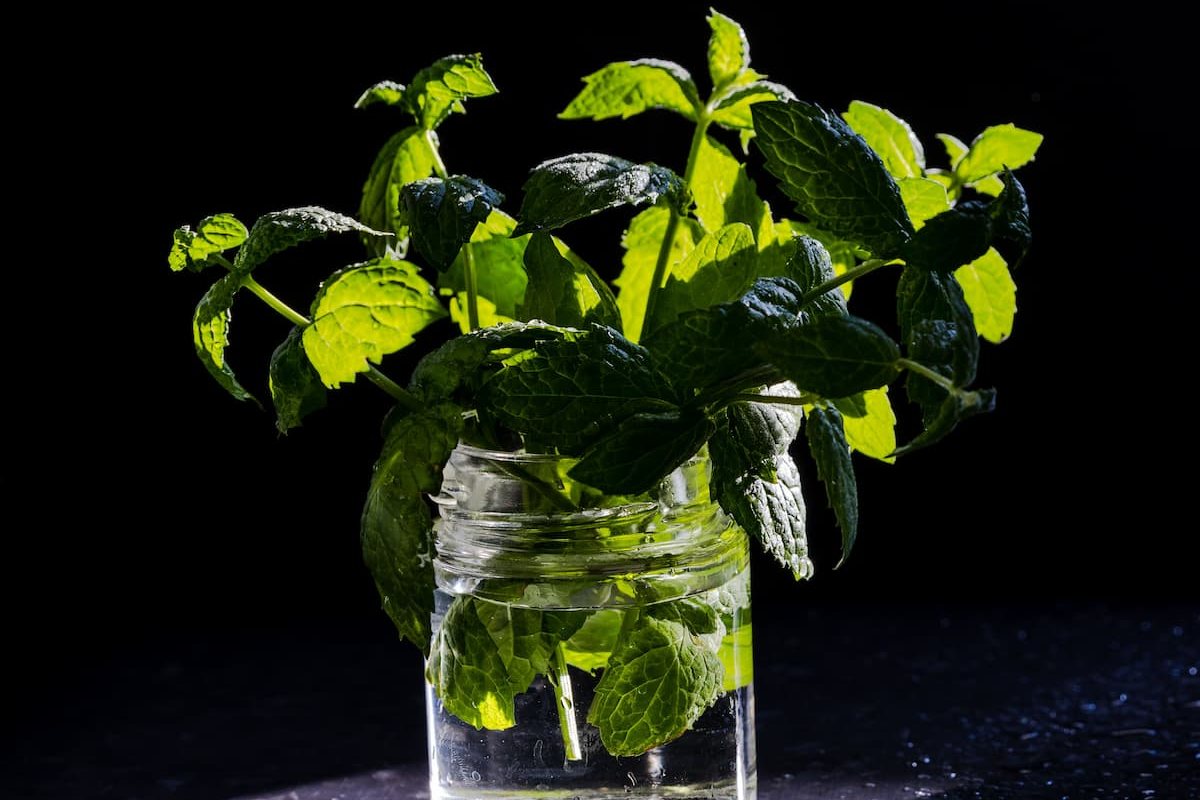
If you want fresh herbs without paying for a plastic clamshell that wilts in three days, a few pots on a sunny windowsill or balcony can help. The easiest starters are basil, mint, rosemary, thyme, parsley and scallions. Cherry tomatoes can work well too if you have a sunny spot. These are general gardening tips rather than extension guidance, and local conditions matter.
- Basil loves light and warmth, but its roots shouldn’t sit in water.
- Mint spreads fast. Give it its own pot or it will take over its neighbors.
- Rosemary doesn’t like to be overwatered. Use a pot with good drainage and let the soil dry a bit between waterings.
- Thyme, parsley and scallions are forgiving and grow well in small pots.
If a plant struggles, check before you fix
Look at the leaves first: yellowing, drying, spots or insects. Then check the soil: is it constantly wet, or bone dry? Then think about light. Don’t reach for fertilizer straight away, because treating the wrong problem can make it worse. And once you’ve found the cause, give the plant some time. Plants don’t work on our schedule.
Use what you have before it goes
Even good storage has limits, so a little planning helps. Put older produce at the front of the drawer and newer at the back. Once a week, do a quick scan for anything soft and use it first, in a soup, a stir-fry or a smoothie. Our meal planning guide includes a “use it up” step that fits perfectly, and our kitchen declutter plan covers how to keep the fridge tidy so nothing hides at the back.
Shop for freshness, not just for price
The best storage trick starts in the store. Buy the amount you’ll realistically eat this week, and if that means smaller amounts more often, the saving on waste usually pays for it. Choose firm, unblemished produce, check the bottom of berry containers for mold and avoid bags with a lot of moisture inside. Look at the fruit you plan to eat in a few days, and pick some that’s still a little underripe to eat later in the week.
Frozen fruit and vegetables are a perfectly good back-up. They’re handy for smoothies, soups and stir-fries, and they don’t go off while you’re deciding what to cook. If bananas or berries are about to turn, peel the bananas, slice them and freeze them in a bag for smoothies and baking.
The same planning skills help with everything else in the kitchen. Our weekly meal planning guide shows how to buy with a plan, and the meal prep guide covers what to do with all that chopped produce.
Quick cheat sheet
- Keep bananas, potatoes, onions, garlic and tomatoes out of the fridge.
- Ripen peaches, pears, plums and melons on the counter, then refrigerate.
- Keep ethylene producers like apples, avocados and tomatoes away from sensitive vegetables like lettuce, broccoli and carrots.
- Set the fridge to 40°F or below, and check with a thermometer.
- Wash under running water before preparing or eating. No soap. Dry with a clean towel.
- Keep produce apart from raw meat.
- Refrigerate anything pre-cut or packaged.
Storage questions, answered
Which fruits and vegetables should not go in the refrigerator?
Mississippi State University Extension lists bananas, potatoes, sweet potatoes and dry onions as better kept at cool room temperature, and garlic and onions in a cool, dry, dark place with air circulation. Tomatoes are commonly kept on the counter too.
What is ethylene gas and why does it matter?
Ethylene is a natural gas released by some fruits that helps them ripen. It can make some vegetables spoil faster, so apples, avocados and tomatoes should be kept away from sensitive vegetables such as lettuce, broccoli and carrots.
What temperature should the refrigerator be for produce?
The FDA recommends 40°F or below, and Mississippi State suggests 39°F or less. Use a refrigerator thermometer to check.
Should I wash produce with soap?
No. The FDA says not to use soap, detergent or commercial produce wash. Wash under running water, then dry with a clean cloth or paper towel.
Do I need to refrigerate cut fruit and bagged salad?
Yes. The FDA says to refrigerate all produce that is purchased pre-cut or packaged.
How do I keep leafy greens from getting slimy?
Keep them cold and dry. A paper towel in the bag or container absorbs extra moisture, which is what causes the sliminess.
Sources and further reading
Counter versus fridge storage, ripening, temperature ranges and ethylene follow Mississippi State University Extension’s HappyHealthy storage tips. Refrigerator temperature, washing under running water, drying, keeping produce away from raw meat and refrigerating pre-cut produce follow the FDA’s Selecting and Serving Produce Safely. The paper-bag ripening trick, the herb jar and the paper towel for leafy greens are common household practices, labeled as such above, not extension guidance.
Keep reading
 Kitchen · 9 min readHow to organize a small pantry in 7 simple stepsSeven steps to organize a small pantry: clear it out, check dates, group by type, store dry foods safely, keep pests out and build a routine.
 Kitchen · 9 min readHow to declutter a kitchen in one weekendA practical two-day plan to clear counters, sort cabinets and keep the kitchen tidy.
 Kitchen · 7 min readHow to keep cutting boards clean and odor-freeSimple steps to clean, sanitize and care for wood and plastic cutting boards.