
How to cook pasta: water, salt, timing and pasta water
Good pasta doesn’t need a long ingredient list. It needs a big pot, a few minutes of attention and one small habit that most people skip: saving a cup of the cooking water before the colander gets involved. Get those right and a plain bowl of spaghetti starts tasting like something from a restaurant.
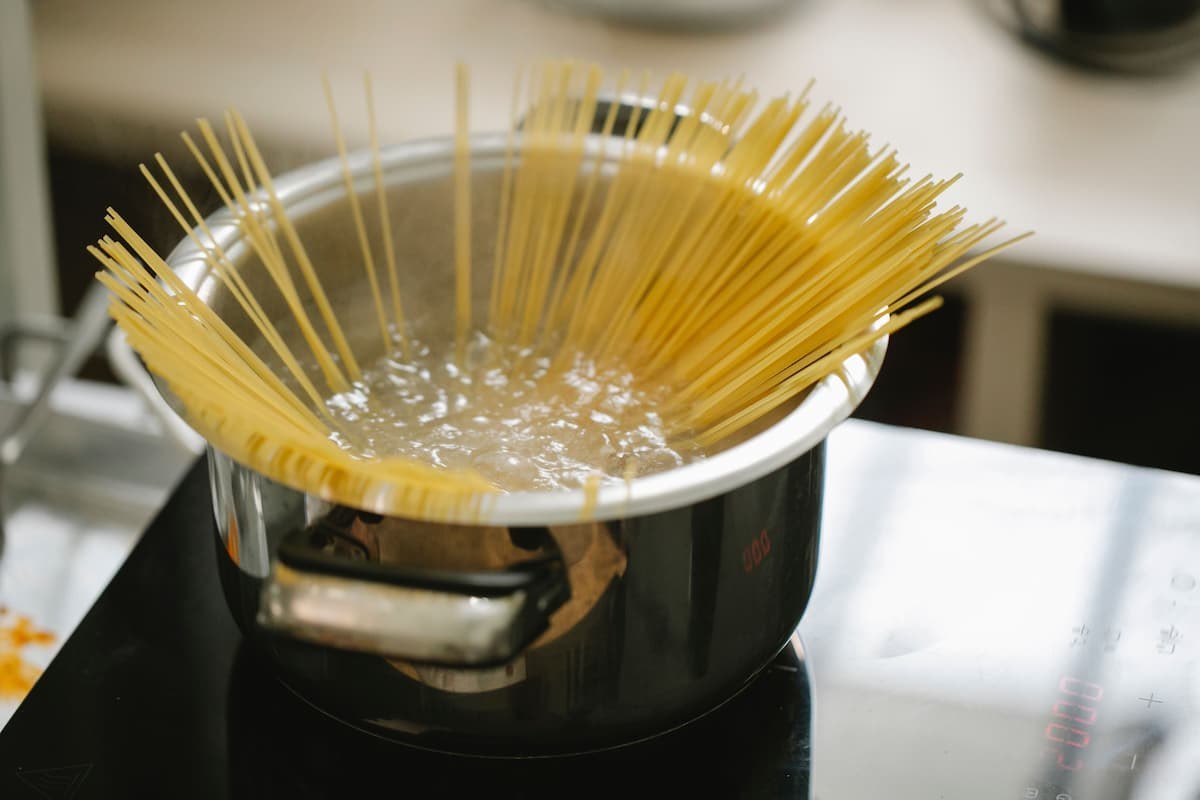
This guide covers the basics of cooking dried pasta at home: how much water to use, what salt does, how to tell when it’s done, why you shouldn’t rinse it, what to do with the starchy water, and how to store and reheat leftovers safely. If you’re planning dinners for the week, it pairs well with our guides to weekly meal planning and meal prep for beginners.
In this guide · 14 sections
- What you need
- How much pasta per person
- Use plenty of water
- Salt the water
- The basic method
- Don’t trust the package time blindly
- Why you shouldn’t rinse pasta
- The pasta water trick
- Fixing common pasta problems
- A very simple weeknight sauce
- Storing leftover pasta safely
- Reheating pasta
- Your next pasta night
- Pasta questions, answered
What you need
- A large pot. Bigger than you think you need, because pasta needs room to move.
- A colander or a spider (a wide mesh scoop).
- A wooden spoon or tongs for stirring.
- A heatproof measuring cup or mug for the pasta water.
- A timer, and a fork for tasting.
How much pasta per person
The University of Kentucky Cooperative Extension’s pasta guide suggests about 2 ounces of dry pasta per serving, which makes roughly 1 cup of cooked pasta. That is a modest serving, and plenty of people eat more for a main course. A simple way to plan: 2 ounces for a side or a light lunch, 3 to 4 ounces for a hungry dinner. A typical box is 16 ounces, which is about 8 small servings or 4 to 5 generous dinners.
| Meal | Dry pasta per person | Roughly cooked |
|---|---|---|
| Side dish or light lunch | 2 ounces | About 1 cup |
| Hungry dinner | 3 to 4 ounces | About 1½ to 2 cups |
| One 16-ounce box | — | About 8 small or 4 to 5 generous servings |
The 2-ounce figure is from the University of Kentucky guide. The 3-to-4-ounce dinner range is a practical rule of thumb, not an official number.
Use plenty of water
Both the University of Kentucky guide and the National Pasta Association’s cooking tips say to boil 4 to 6 quarts of water for every pound of dry pasta. For a half-pound, you can scale that down, but keep the pot large. Crowded pasta clumps together and cooks unevenly. A big pot also keeps the water from falling off the boil when the pasta goes in.
Salt the water
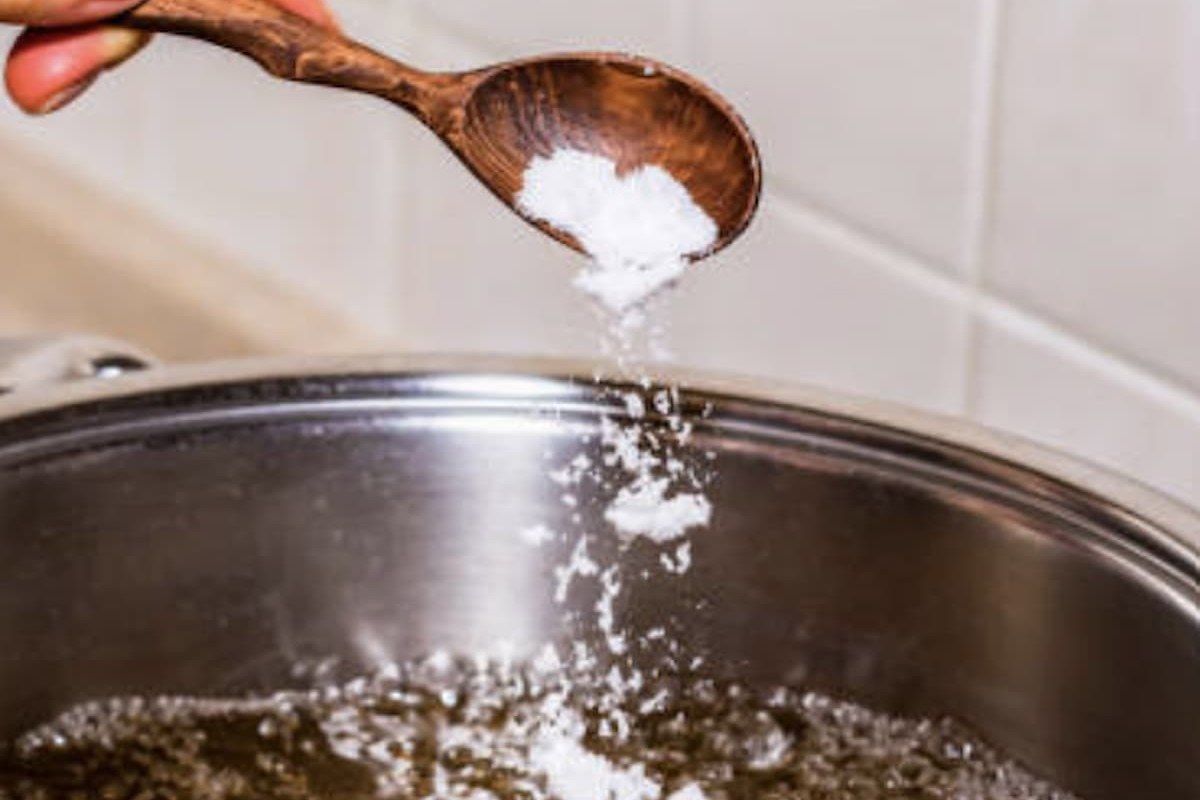
The National Pasta Association says to add salt to the boiling water to add flavor and reduce stickiness. The University of Kentucky guide treats salt as optional and mentions about 1 teaspoon per gallon of water. Many cooks add more than that because pasta cooked in unsalted water tastes flat, but how much is a matter of taste and health needs. If you’re watching your salt intake, start with the smaller amount and season the sauce well. Salt goes in once the water is boiling, before the pasta.
The basic method
- Boil the water. Fill a large pot, cover it to speed things up and bring it to a hard, rolling boil.
- Salt it. Add the salt once the water boils.
- Add the pasta gradually, stirring. The Kentucky guide says to add it a little at a time, stirring as you go.
- Return to a boil. Keep the heat high enough that the water bubbles steadily. Stir occasionally so the pasta doesn’t stick.
- Set a timer. Start with the time on the package, but plan to check earlier.
- Taste it. Pull out a piece and bite it. You want it tender but still firm in the center. That firmness is what Italians call al dente.
- Save a cup of the water. Dip a mug into the pot before draining. More on this below.
- Drain. Pour it into the colander right away. The Kentucky guide notes that draining stops the cooking.
Don’t trust the package time blindly
Package times are a starting point. Your stove, your pot and even the altitude change how fast pasta cooks. Start tasting about 2 minutes before the time on the package. If the pasta will finish cooking in a sauce, as in a baked dish or a pan sauce, the Kentucky guide suggests undercooking it slightly so it doesn’t turn soft.
Why you shouldn’t rinse pasta
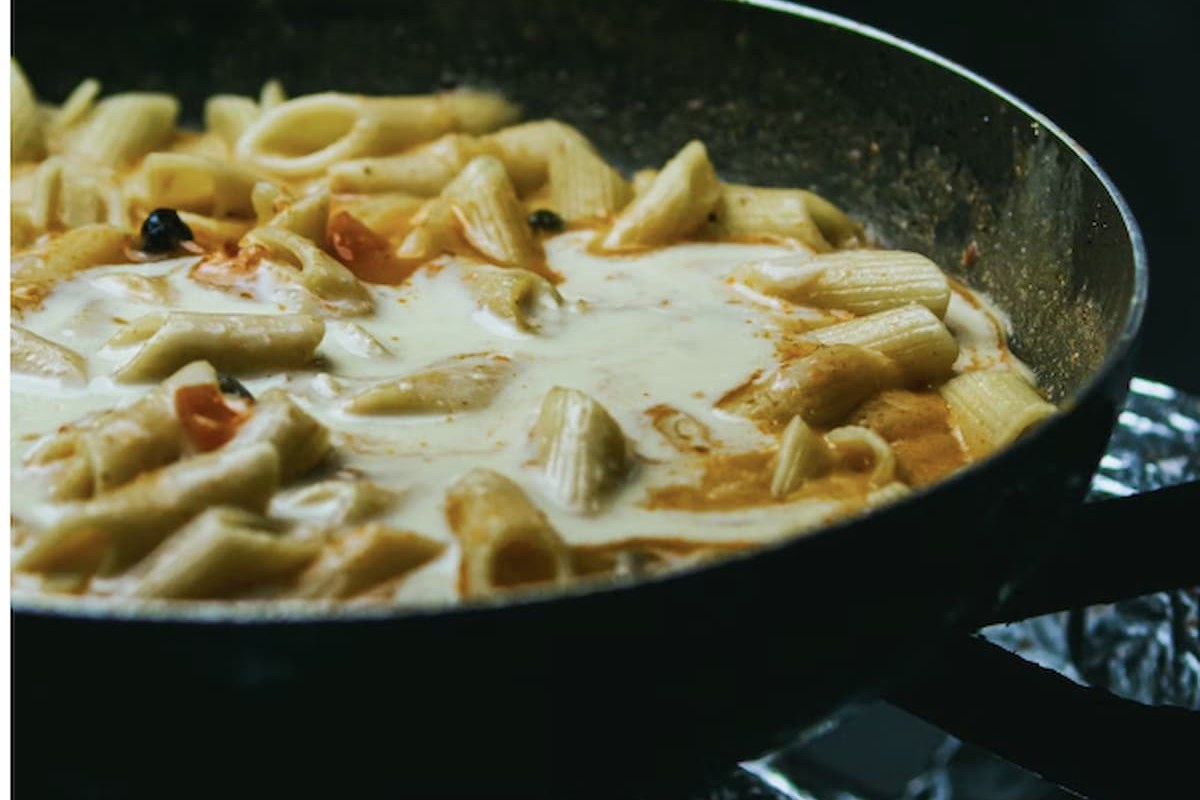
It feels natural to rinse pasta after draining, but the University of Kentucky guide says not to unless the recipe tells you to. The thin layer of starch on the surface helps sauce cling to the noodles. Rinse it and the sauce slides off and pools at the bottom of the plate. The exception is cold pasta salad, where a rinse cools the pasta quickly and stops it from sticking together. Even then, many recipes simply toss the pasta with oil.
The pasta water trick
As pasta boils, some of its starch goes into the water. That cloudy water can help a sauce thicken a little and bind to the noodles. Setting aside a cup before you drain is one of the most common tips among home cooks. It’s a cooking practice, not something the extension guides measure, and it costs nothing.
Here is how to use it:
- Dip a mug into the pot just before you drain the pasta.
- Return the drained pasta to the pot or a wide pan with the sauce.
- Add a splash of the water, stir over low heat and watch the sauce loosen and cling.
- Add more a spoonful at a time. You can always add water, but you can’t take it out.
Fixing common pasta problems
- Sticky or clumped. Not enough water, or not enough stirring in the first two minutes. Use a bigger pot next time and stir after adding the pasta.
- Mushy. It cooked too long. Start tasting earlier and drain as soon as it’s tender but firm.
- Bland. The water wasn’t salted, or the sauce needed more seasoning. Taste and adjust the sauce, and add a splash of pasta water.
- Watery sauce. The pasta was rinsed or the sauce hasn’t had time to cling. Toss it in the pan over low heat for a minute.
- Sauce too thick. Add pasta water a spoonful at a time.
A very simple weeknight sauce
You don’t need a long recipe to put this into practice. Warm a few spoonfuls of olive oil in a wide pan with a sliced garlic clove, just until it smells good and before it browns. Add a can of crushed tomatoes and a pinch of salt and simmer for about 10 minutes. Meanwhile boil the pasta. Move the drained pasta into the pan with a splash of the pasta water and cook together for the last minute or two. Finish with torn basil or a little grated cheese if you have it. Italian cooking tends to rely on a few good ingredients, and this is a good example.
Storing leftover pasta safely
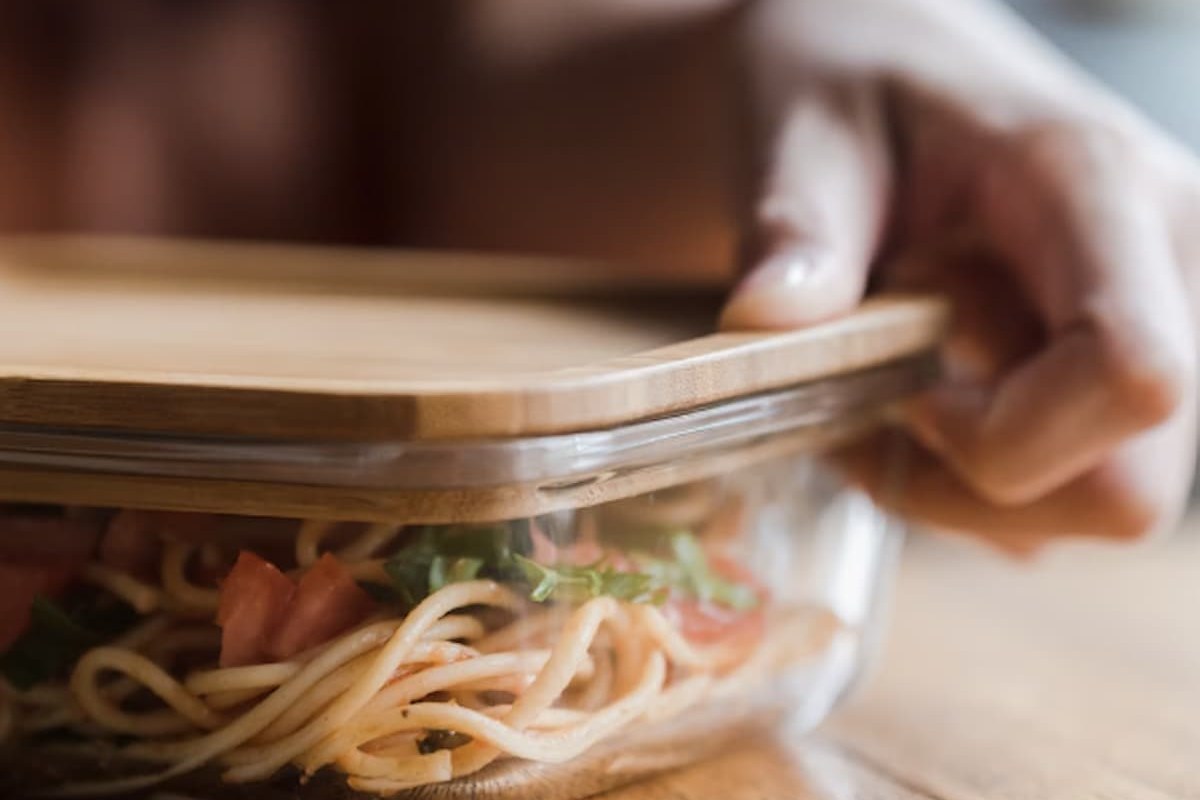
Cooked pasta is food like any other cooked food: it shouldn’t sit out. University of Illinois Extension says leftovers should be refrigerated or frozen within two hours of serving, and that refrigerated leftovers should be used within 3 to 4 days. Other extension sources give slightly different numbers for pasta specifically. The National Pasta Association says up to 3 days, and the University of Kentucky says up to 5 days in an airtight container. When sources differ, the shorter number is the safer plan: aim for 3 to 4 days.
- Cool it quickly. Spread pasta in a shallow container or divide it into smaller portions.
- Keep sauce separate. The Kentucky guide says to store cooked pasta and sauce separately, because pasta keeps absorbing flavors and oils from sauce and turns soft.
- Freezing. Cooked pasta can be frozen for up to 2 months, according to the Kentucky guide.
- Label the container. Add the date, so you aren’t guessing on day five.
Reheating pasta
Illinois Extension says to reheat leftovers to at least 165°F. In a pan, add a splash of water or a little sauce and warm over medium heat, stirring, until it’s steaming hot throughout. In a microwave, add a spoonful of water, cover loosely and heat in short bursts, stirring in between so it heats evenly. The National Pasta Association suggests another gentle method: place the pasta in a colander and dip it in boiling water for about one minute.
Your next pasta night
- Use a large pot with 4 to 6 quarts of water per pound.
- Bring it to a rolling boil and add salt.
- Add the pasta, stir, and start tasting a couple of minutes before the package time.
- Scoop out a cup of pasta water.
- Drain without rinsing.
- Finish the pasta in the sauce with a splash of the water.
- Cool leftovers within two hours, keep the sauce separate, and eat within 3 to 4 days.
Pasta is also an easy base for a week of cooking. If you cook a big batch once, you can turn it into lunch and dinner. See meal prep for beginners for how to cool and store prepared food, or the weekly meal planning guide to fit it into a plan.
Pasta questions, answered
How much water do I need to cook pasta?
The University of Kentucky Cooperative Extension and the National Pasta Association both say 4 to 6 quarts of water per pound of dry pasta. You can scale down for a smaller batch, but use a large pot so the pasta has room to move.
Should I add oil to the pasta water?
No. The University of Kentucky guide doesn’t call for oil in the cooking water. If the cooked pasta has to wait for the sauce, it suggests tossing it with 1 to 2 tablespoons of oil after draining.
How much salt should I add?
The National Pasta Association says to add salt to the boiling water for flavor and to reduce stickiness. The University of Kentucky guide lists it as optional, at about 1 teaspoon per gallon. Many cooks use more for taste. If you’re limiting salt, use less and season the sauce.
Should I rinse pasta after cooking?
Usually no. The University of Kentucky guide says not to rinse unless the recipe says to, because the leftover starch helps sauce stick to the pasta. Cold pasta salads are the main exception.
What is pasta water good for?
The starchy cooking water can loosen a thick sauce and help it cling to the noodles. Save about a cup before draining and add it a spoonful at a time. This is a common home-cooking practice.
How long does cooked pasta last in the refrigerator?
University of Illinois Extension says use refrigerated leftovers within 3 to 4 days. The National Pasta Association says up to 3 days and the University of Kentucky says up to 5 days in an airtight container. Aim for 3 to 4 days, and keep sauce separate.
How do I reheat leftover pasta?
Heat it until it’s steaming hot throughout, to at least 165°F per Illinois Extension. Add a splash of water or sauce and warm it in a pan, or use short microwave bursts with stirring in between.
Sources and further reading
Water amounts, salt, stirring, draining, not rinsing, undercooking for baked dishes, portions and the 5-day and 2-month storage times follow University of Kentucky Cooperative Extension’s Perfect Pasta Every Time (FN-SSB.055). The water amount, salt and 3-day storage guidance also appear in the National Pasta Association’s Pasta Cooking Tips. The two-hour rule, 3-to-4-day refrigerator window and 165°F reheating temperature follow University of Illinois Extension’s leftovers guidance. Saving pasta water and the simple weeknight sauce are common cooking practice rather than extension guidance, and are labeled that way above.
Keep reading
 Everyday Meals · 8 min readHow to cook rice on the stove, step by stepA simple stovetop method for fluffy white and brown rice, how to fix common problems, and how to store and reheat leftover rice safely.
 Everyday Meals · 10 min readHow to meal plan for a week in 30 minutesA realistic 30-minute method to plan a week of dinners: check what you have, pick themes, shop by section, prep ahead and store leftovers safely.
 Everyday Meals · 7 min readMeal prep for beginners: a simple weekly routineA beginner-friendly meal prep routine: how much to prep, a two-hour Sunday plan, how to cool and store food safely, and how long prepped meals last.