
How to cook rice on the stove, step by step
Rice looks like the simplest thing in the kitchen, and then it comes out gluey, or crunchy in the middle, or scorched on the bottom. If that has happened to you, you’re in very good company. The method itself is short. What goes wrong is usually one of three things: too much water, too much peeking, or a pot that’s too hot.
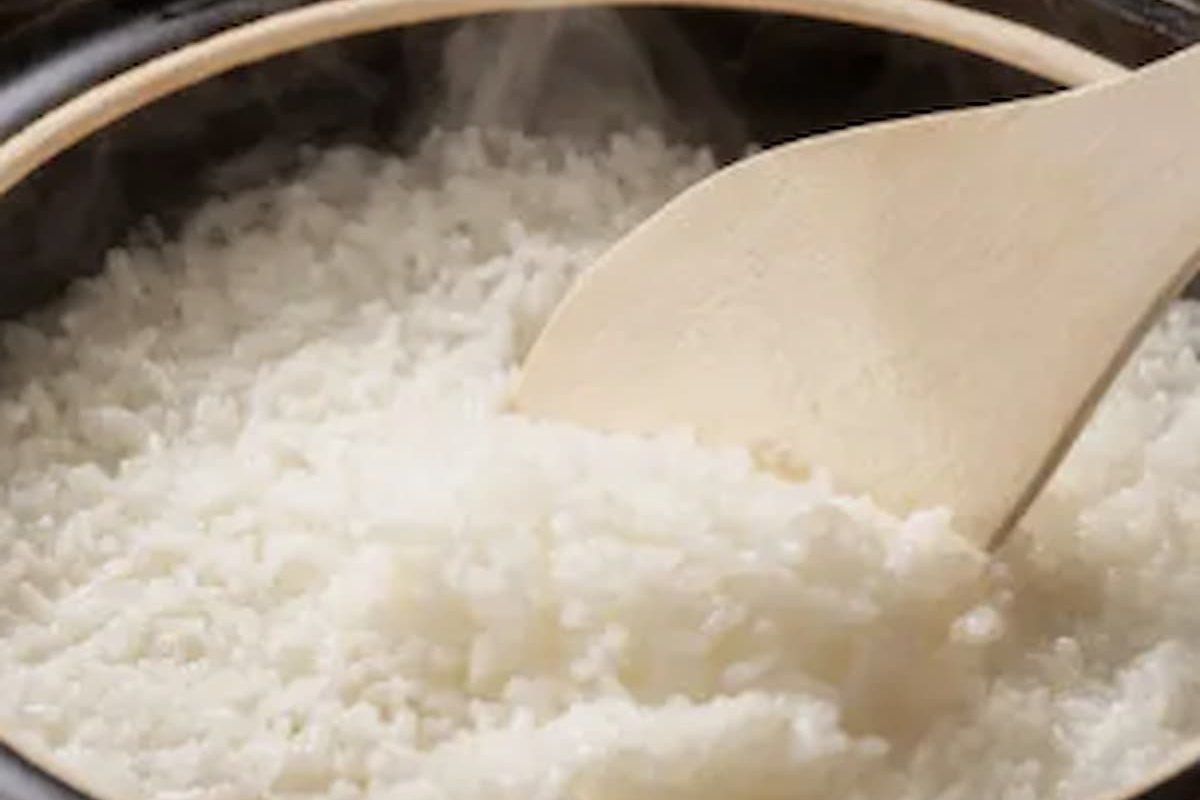
This guide covers plain long-grain white rice and brown rice cooked in a saucepan, plus the part many people never hear about: how to store and reheat leftover rice safely. It’s the base for almost every dinner on this site, from stir-fry to the simple bowls you can build from a small Asian-style pantry.
In this guide · 16 sections
- What you need
- Rinse, or don’t?
- The basic method
- Different rice, different water
- How much rice to cook
- Small ways to add flavor
- Fixing common rice problems
- Fluff, then serve
- The safety part most people skip
- How long leftover rice keeps
- Reheating leftover rice
- Storing uncooked rice
- Five easy ways to use leftover rice
- Your next pot of rice
- Quick answers about stovetop rice
- Sources and further reading
What you need
- A saucepan with a tight-fitting lid. Heavy-bottomed is better, because it heats more evenly and is less likely to scorch.
- A fine-mesh sieve for rinsing.
- Rice, and a measuring cup you use for both the rice and the water.
- A fork for fluffing.
Using the same cup for both is the secret to a ratio that works. The size of the cup doesn’t matter, only that rice and water are measured with the same one.
Rinse, or don’t?
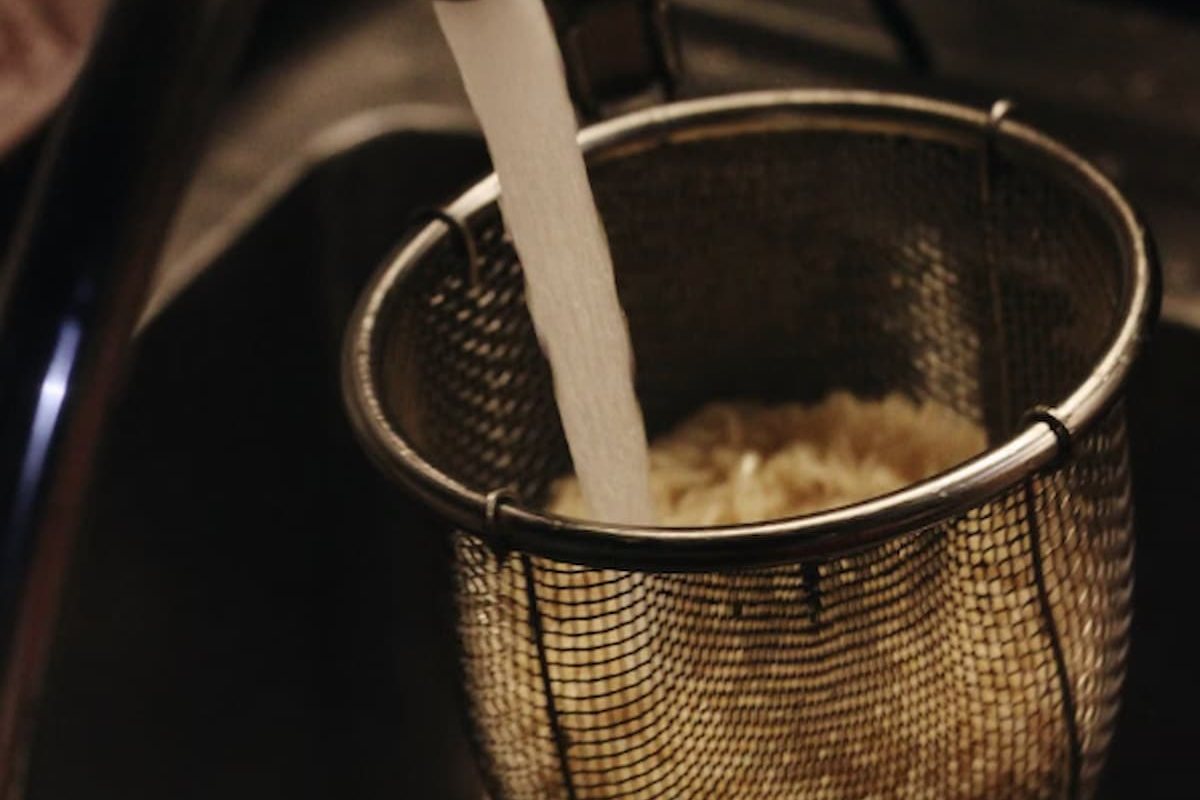
Rinsing washes away loose surface starch, which is what makes rice clump and turn sticky. Montana State University Extension’s rice fact sheet suggests rinsing rice in a sieve until the water runs clear. It makes one exception: it says not to rinse enriched white rice, because rinsing washes away some of the added nutrients. Enriched rice is common in the U.S., and the bag usually says so. So check the package. If it says enriched, skip the rinse. If it doesn’t, rinse away.
The basic method
This is the stovetop method from the same Montana State fact sheet, which uses the simple 2-to-1 ratio of liquid to rice for both white and brown rice.
- Measure. For every 1 cup of rice, measure 2 cups of water.
- Boil the water. Bring it to a boil in the saucepan.
- Add the rice and stir once. Then stop stirring. Stirring releases starch and makes rice gummy.
- Turn the heat to low and cover. Put the lid on and keep it on.
- Cook. White rice takes about 15 to 20 minutes. Brown rice takes about 50 to 55 minutes.
- Check. Tip the pot slightly. The rice is done when the liquid is gone.
One cup of long-grain white rice makes about 3 cups cooked. One cup of brown rice makes about 4 cups.
Different rice, different water
The 2-to-1 ratio is a reliable starting point
| Rice | Water per 1 cup rice | Covered simmer | Cooked yield |
|---|---|---|---|
| Long-grain white | 2 cups | 15–20 minutes | About 3 cups |
| Brown | 2 cups | 50–55 minutes | About 4 cups |
| Basmati, jasmine, short-grain | Often about 1½ cups; follow the package | Follow the package | Follow the package |
The first two rows come from the Montana State University Extension fact sheet; the third reflects what many packages say, so your bag wins.
, but not every rice is the same. Basmati, jasmine and short-grain rice often need a little less water, and many packages call for something closer to 1½ cups of water per cup of rice. When the package gives different directions, follow the package. It was written for that exact rice. Brown rice keeps its outer bran layer, which is why it needs so much more time.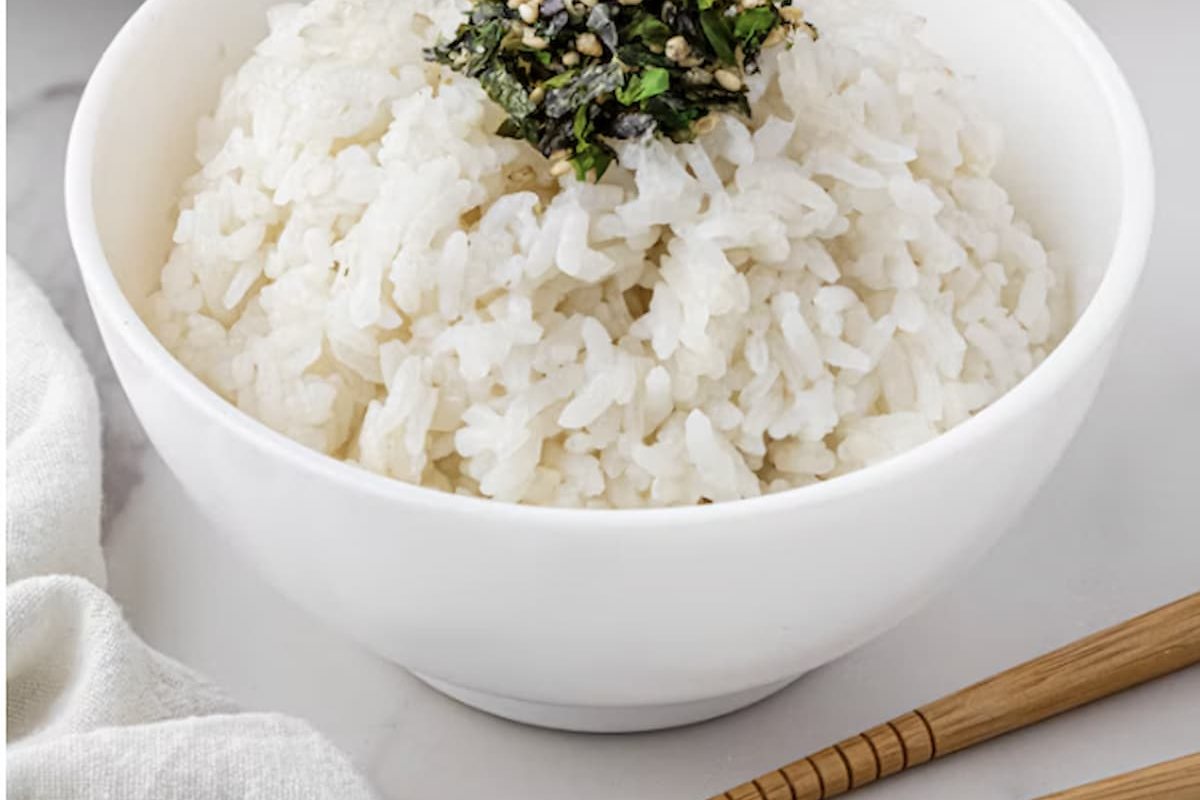
How much rice to cook
A common rule of thumb is about ⅓ to ½ cup of uncooked rice per person as a side dish, and a bit more if rice is the main part of the meal. Since a cup of uncooked white rice makes about 3 cups cooked, one cup is plenty for two or three people. This is a rough guideline, not an official figure. If you’re cooking for meal prep, make a little extra, because leftover rice is useful all week.
Small ways to add flavor
Plain rice is a blank canvas, and it takes very little to make it taste like something. Cook it in broth instead of water for a savory base. Add a few slices of fresh ginger or a smashed garlic clove to the pot, and fish them out before serving. Stir in a small pat of butter or a drizzle of oil at the end. A pinch of salt in the water helps, too. For an Asian-style meal, finish with a few drops of toasted sesame oil and some sliced scallions. Our guide to Asian-style pantry staples has more ideas.
Fixing common rice problems
- Gummy or mushy. Too much water, too much stirring or not enough rinsing. Next time, rinse, measure carefully and leave it alone while it cooks.
- Hard or crunchy in the middle. Not enough water or steam escaped. Add a few spoonfuls of hot water, put the lid back on tightly and cook on low for a few more minutes.
- Burnt at the bottom. The heat was too high. Use the lowest setting once the pot is covered, and use a heavier pot if you can.
- Wet on top, dry below. Fluff it with a fork, cover again and let it steam for a few more minutes.
Fluff, then serve
Use a fork to lift and separate the grains. A spoon mashes them. Serve right away, or follow the cooling steps below if you’re saving some.
The safety part most people skip
Rice is one of the foods that needs a little extra care after it’s cooked, and the reason is surprising. University of Wisconsin Extension explains that uncooked rice can carry spores of a bacterium called Bacillus cereus. The spores survive cooking. If cooked rice sits at room temperature, they can germinate and produce a toxin that can make you sick, and reheating doesn’t destroy that toxin. The extension notes that the old “never reheat rice” advice most likely comes from rice that wasn’t cooled properly in the first place.
The fix is simple and quick:
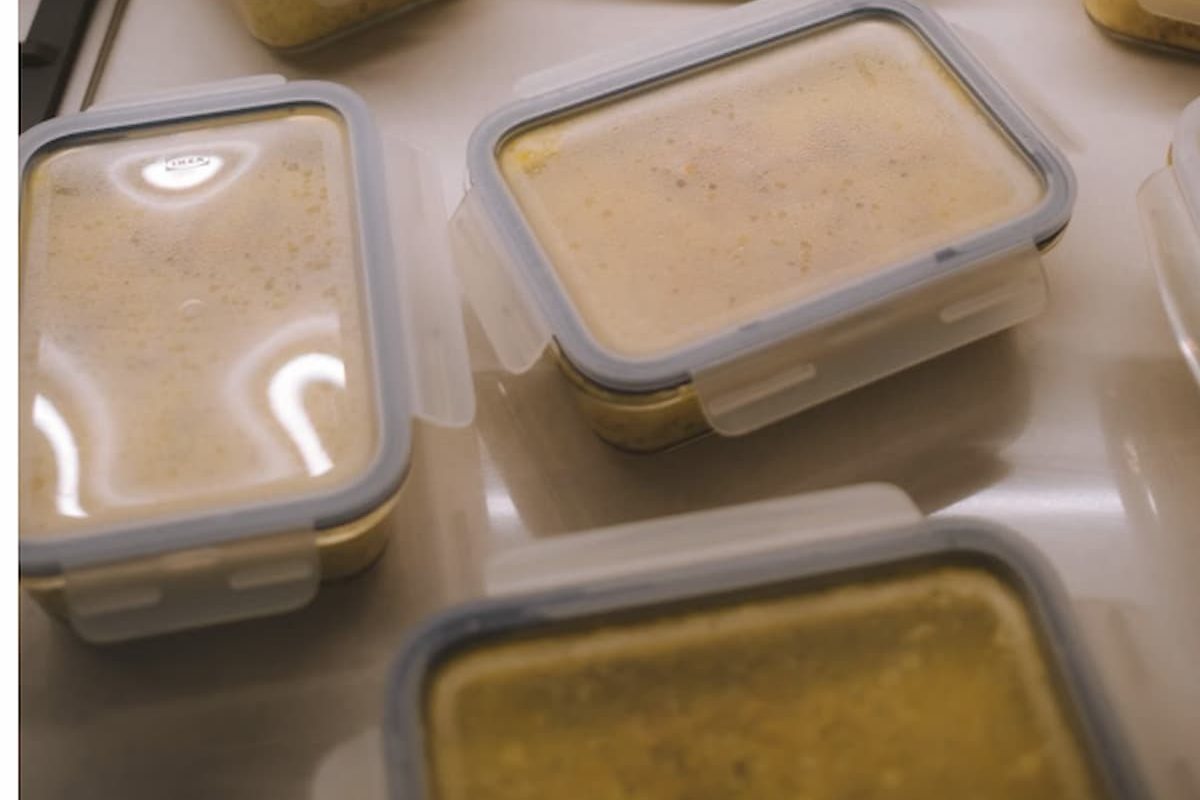
- Refrigerate within an hour. The extension says to get leftovers into the refrigerator quickly, within an hour of preparation.
- Spread it out. Use shallow containers, no more than 3 inches deep, so it cools fast.
- Don’t cool it on the counter. Put it straight in the fridge, and cover the container once it has cooled.
How long leftover rice keeps
Montana State says cooked rice keeps in the refrigerator for up to 4 days, and in the freezer for up to six months. University of Wisconsin Extension gives a slightly wider window of 3 to 5 days for reheated leftovers. If you want a margin of safety, aim for the shorter number: eat it within 3 or 4 days, and freeze portions you won’t get to. Label the container with the date.
Reheating leftover rice
Heat it until it’s steaming hot throughout. The University of Wisconsin guidance is to reach an internal temperature of 165°F. In a microwave, add 1 to 2 tablespoons of water per cup of rice, cover loosely and heat for 3 to 4 minutes, then check the temperature with a food thermometer if you’re unsure. On the stove, add a splash of water to a pan, cover and warm gently, stirring now and then.
Leftover rice is also the secret to good fried rice, because cold, slightly dried-out grains fry better than fresh, wet ones. You can also use chilled rice in a cold rice salad.
Storing uncooked rice
Dry rice keeps best in an airtight container at room temperature, as Montana State recommends. A clear, lidded container on a pantry shelf also helps you see what’s left. If you’re rethinking your pantry, our guide to organizing a small pantry covers containers and shelves.
Five easy ways to use leftover rice
- Fried rice. Cold, dry rice fries better than fresh. Add eggs, frozen peas and whatever vegetables you have.
- A quick rice bowl. Rice with a fried egg, some vegetables and a spoonful of sauce.
- Soup. Stir a scoop into hot broth with some greens.
- Rice salad. Mix chilled rice with chopped vegetables and a vinaigrette. The University of Wisconsin Extension guidance mentions this as a good use for leftover rice.
- Stuffed vegetables or burritos. Rice makes a filling, cheap base.
Whichever you pick, reheat to steaming hot, as described above.
Your next pot of rice
- Rinse the rice, unless the package says it’s enriched.
- Use 2 cups of water per cup of rice, and check the package for specialty rice.
- Bring to a boil, add the rice, stir once, then cover on low heat.
- Don’t lift the lid. 15 to 20 minutes for white, 50 to 55 for brown.
- Fluff with a fork.
- Refrigerate leftovers within an hour, in shallow containers.
- Eat within 3 to 4 days, and reheat until steaming hot.
Once the rice comes out right, dinner gets easier. Try it under a stir-fry from our stir-fry basics guide, or make a bigger batch as part of a simple weekly meal prep.
Quick answers about stovetop rice
What is the water-to-rice ratio for stovetop rice?
Montana State University Extension suggests 2 cups of water for every 1 cup of rice, for both white and brown rice. Specialty rice such as basmati, jasmine or short-grain may need less, so check the package.
How long does rice take to cook on the stove?
About 15 to 20 minutes for white rice and about 50 to 55 minutes for brown rice, covered on low heat after the water boils.
Should I rinse rice before cooking?
Rinsing removes loose starch and helps the grains stay separate. Montana State Extension suggests rinsing until the water runs clear, but not rinsing enriched white rice, because it washes away added nutrients. Check the package.
Why does my rice turn out sticky or mushy?
Usually too much water, too much stirring or skipping the rinse. Measure carefully, stir only once and leave the lid on while it cooks.
Is it safe to reheat leftover rice?
Yes, if it was cooled and stored properly. University of Wisconsin Extension says to refrigerate rice within an hour, store it in shallow containers and reheat it to 165°F. Reheating doesn’t destroy a toxin that can form if rice sits out too long.
How long can I keep cooked rice?
Montana State says up to 4 days in the refrigerator and up to six months in the freezer. University of Wisconsin Extension gives 3 to 5 days for refrigerated leftovers. When in doubt, throw it out.
Sources and further reading
The stovetop method, water ratio, cooking times, yields and storage times follow Montana State University Extension’s rice fact sheet. The explanation of Bacillus cereus, the one-hour cooling rule, shallow containers and reheating to 165°F follows University of Wisconsin Extension’s Safe Handling of Cooked Rice. The resting step and the lower water amounts for specialty rice are common cooking practice rather than extension guidance, and are labeled that way above.
Keep reading
 Everyday Meals · 10 min readStir-fry basics: a beginner’s guide to cooking in a wokLearn how to stir-fry at home: wok or skillet, heat and oil, prep, cooking order, a pantry sauce, tender meat and safe temperatures, with answers to common questions.
 Everyday Meals · 10 min readHow to meal plan for a week in 30 minutesA realistic 30-minute method to plan a week of dinners: check what you have, pick themes, shop by section, prep ahead and store leftovers safely.
 Everyday Meals · 8 min readPantry staples for simple Asian-style cookingA short list of pantry staples that make quick Asian-style dinners possible, and how to start without overspending.