
Cleaning products you should never mix, and what to do instead
It’s tempting to think that two cleaners must work twice as well as one. In a few cases they can make something far worse: a toxic gas. The most common mistake, and the most serious, involves bleach. This guide explains which combinations to avoid, what to do if it happens, and how to clean thoroughly without mixing anything.
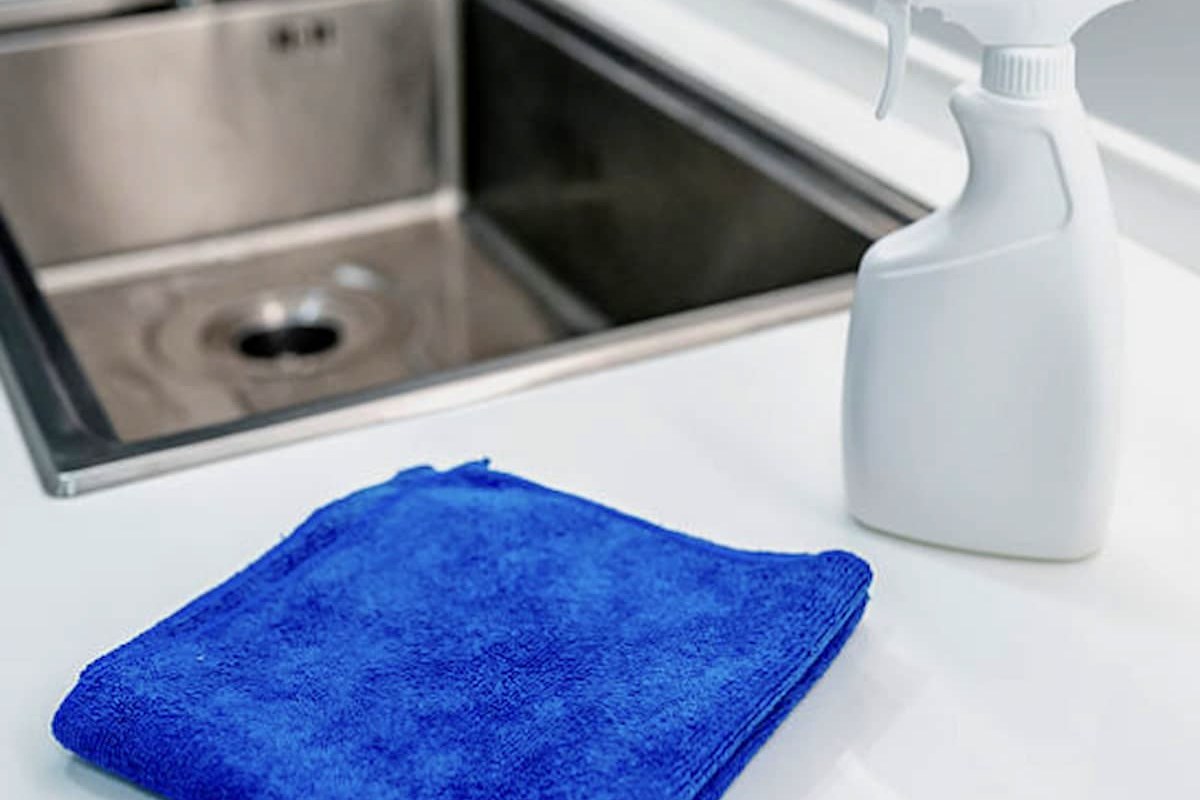
None of this requires special equipment. It mostly takes reading a label and using one product at a time.
In this guide · 11 sections
The rule in one table
Health Canada’s advice is blunt: never mix any cleaning product with household bleach. Its list includes glass cleaners, toilet bowl cleaners and anything containing ammonia or an acid, vinegar included. The Children’s Hospital of Philadelphia’s poison control center gives the same warning and explains what each pairing produces.
| Never combine | What can happen | Instead |
|---|---|---|
| Bleach and ammonia | Makes chloramine gas, which irritates the eyes, nose, throat and airways | Use one product, then rinse, then ventilate |
| Bleach and vinegar or other acids | Makes chlorine gas, which can cause more severe, longer-lasting irritation and may need medical care | Pick bleach or vinegar for the job, never both together |
| Bleach and drain, toilet bowl or oven cleaners | Many of these are acids or strong chemicals; mixing with bleach can release chlorine gas | Use one cleaner at a time and follow its label |
| Bleach and glass cleaner | Listed by Health Canada as a product not to mix with bleach | Clean the glass with the glass cleaner only |
Why bleach is the main one
Both sources describe the same pattern. Chloramine gas comes from combining ammonia with bleach, a common housecleaning mistake that irritates the eyes, nose, throat and lungs. Adding bleach to acidic products such as drain openers, toilet bowl cleaners, oven cleaners or vinegar produces chlorine gas, which can cause more severe irritation. Health Canada says exposure can cause burning eyes and light-headedness, and “can also be deadly.” These situations tend to happen when strong cleaners are used for a long time in a closed, poorly ventilated space, such as a small bathroom.
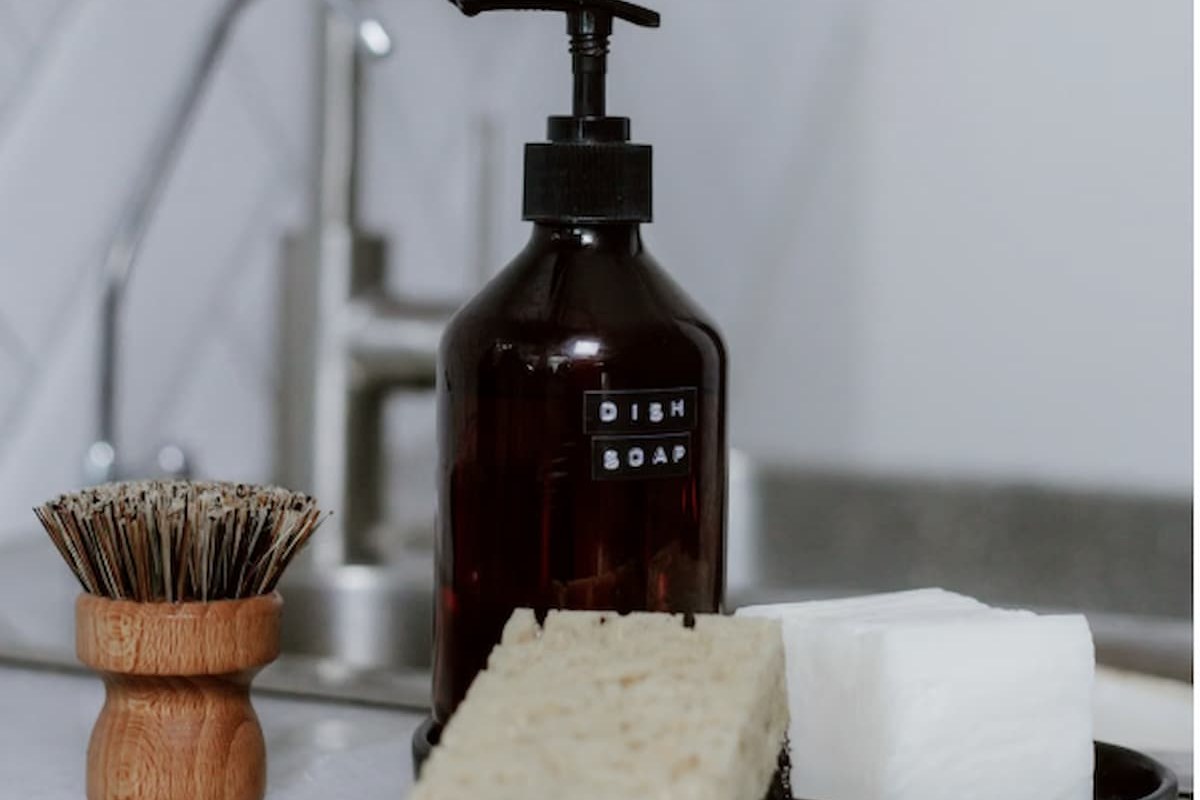
Some cleaners are harsh even on their own
Mixing is not the only risk. The Children’s Hospital of Philadelphia notes that some strong alkalis and acids, such as drain and oven cleaners, can cause irritating fumes even when they are not mixed with anything. Open the windows while you clean, and stop and get fresh air if you feel uncomfortable. Health Canada also advises wearing goggles and rubber gloves when you handle bleach, and making only as much diluted bleach solution as you need, because you shouldn’t store leftovers.
If it happens
- Stop and get out of the room. Move to fresh air right away, and open windows and doors if you can do so safely.
- Don’t try to fix it by adding another product.
- Call for help. In the United States, Poison Control is 1-800-222-1222. Health Canada advises calling a poison centre or a health care provider if you think someone has been harmed. If someone has trouble breathing, call emergency services.
- Keep the product label handy, and take the original container with you when seeking help.
How to clean well without mixing
- Use one product at a time, and match it to the surface. Our guide to the order to clean a kitchen shows how to do this room by room.
- Read the label. Health Canada says to read and follow the directions on a product before you use it.
- Rinse between products if you do switch to a different cleaner on the same surface. This is general good practice, so check the label for the maker’s instructions.
- Ventilate. Open windows and doors and run the exhaust fan during and after cleaning.
- Don’t transfer cleaners into unmarked bottles. A label tells you what it is, and what to tell a poison center.
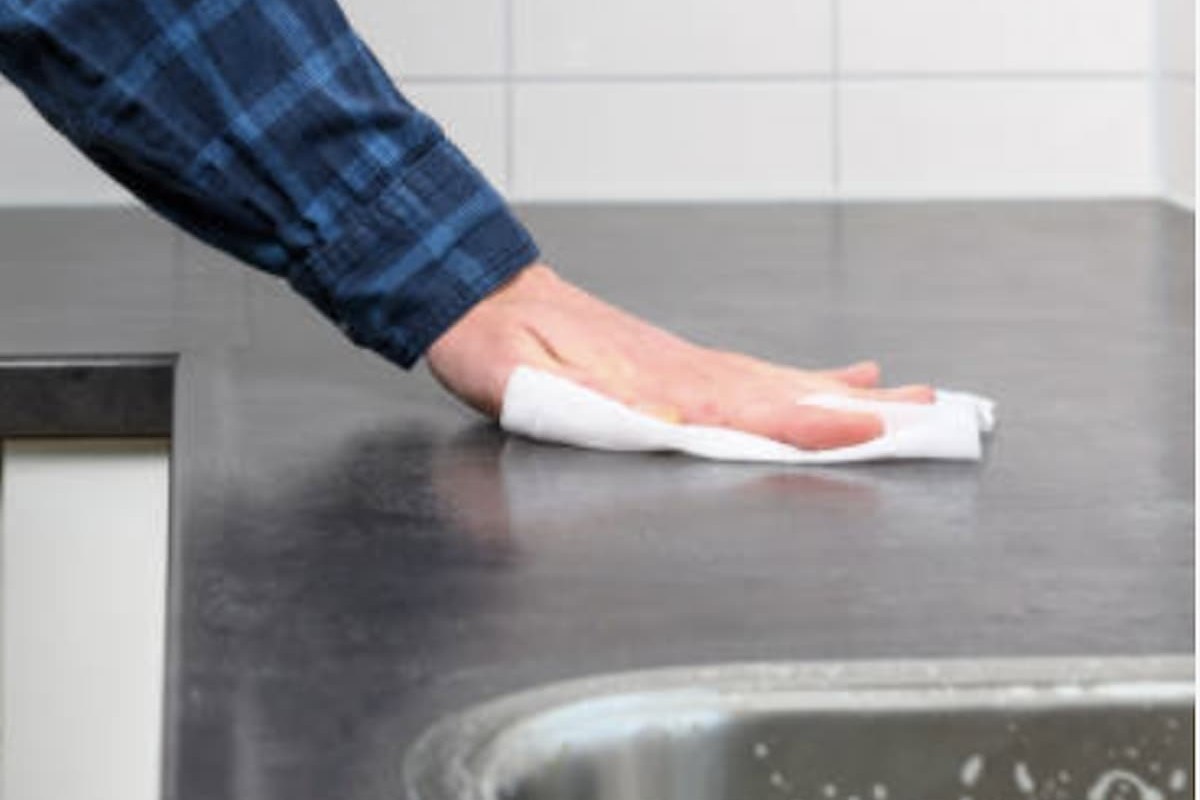
Store cleaners safely
A few storage habits prevent most accidents. Keep cleaning products in their original, labeled containers, so you always know what is inside. Keep them out of children’s reach, because swallowing is a serious risk; the Children’s Hospital of Philadelphia lists the poison control number for that case. Store different products apart where you can, so a leak or a spill doesn’t bring two of them into contact. Don’t keep leftover diluted bleach, since Health Canada advises making only as much as you need.
Matching the product to the job
Most day-to-day kitchen cleaning doesn’t need a strong product. This table is a general guide; always follow the label on whatever you buy.
| Job | A reasonable starting point | Notes |
|---|---|---|
| Everyday counters and surfaces | Dish soap and warm water, or a cleaner made for that surface | Check the label for the surface it suits |
| Sink and drain area | A cleaner made for sinks, applied on its own | Rinse well and ventilate |
| Cutting boards | Hot, soapy water | See our guide to keeping cutting boards clean |
| Dishwasher smells | Check the filter, door seal and detergent compartment first | See our guide to a smelly dishwasher |
| Disinfecting | Follow the product label exactly | Don’t combine with any other product |
If you want to know how to approach a whole kitchen, our guide to the order to clean a kitchen walks through it top to bottom. For two specific jobs, see how to keep cutting boards clean and how to fix a smelly dishwasher.
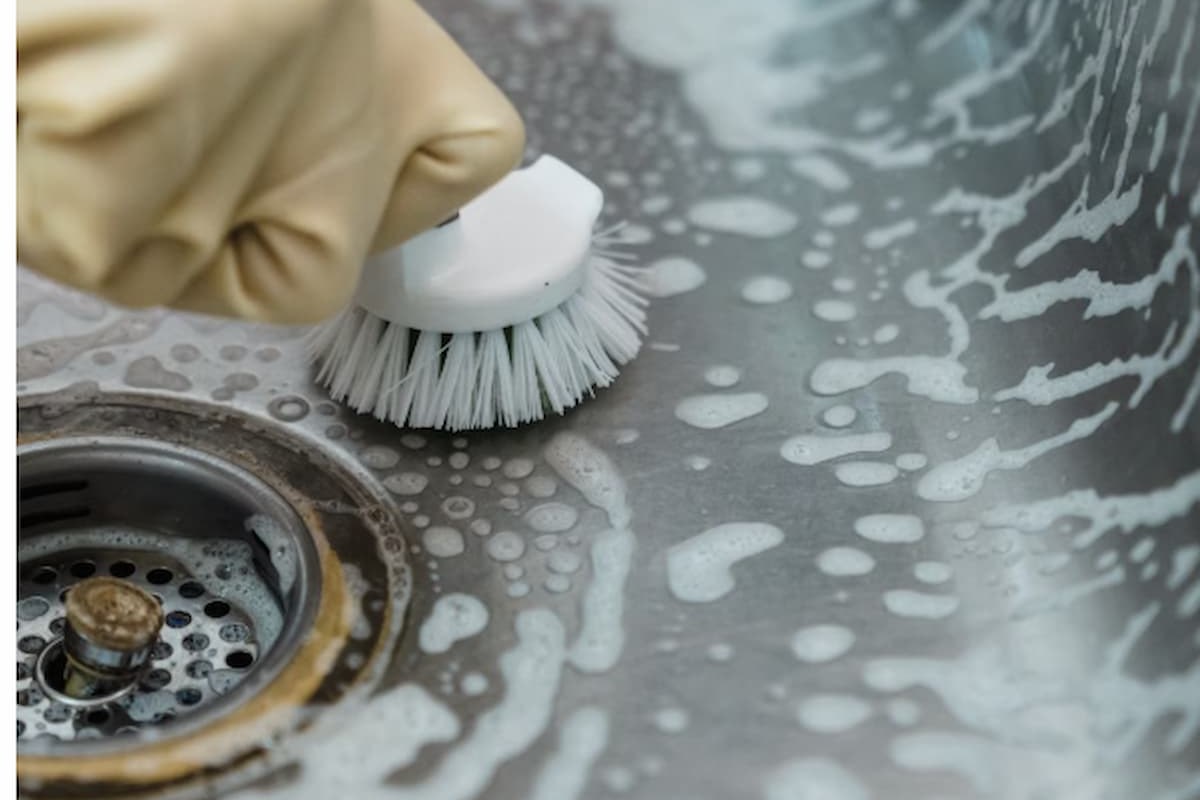
A quick pre-clean checklist
- Which product am I using, and have I read the label?
- Are the windows open, or is the fan on?
- Is there any other cleaner on this surface, or in this sink, right now?
- Do I have gloves on if the label asks for them?
- Do I know where my phone is, and the number for Poison Control?
It takes ten seconds, and it prevents the one mistake that really matters.
A habit worth having
Cleaning safety, answered
Can I mix vinegar and bleach to clean better?
No. Adding bleach to an acid such as vinegar produces chlorine gas, according to the Children’s Hospital of Philadelphia poison control center. Use one or the other, and never together.
What gas do bleach and ammonia make?
Chloramine gas, which irritates the eyes, nose, throat and airway, according to the Children’s Hospital of Philadelphia.
What should I do if I smell fumes after mixing cleaners?
Leave the room, get fresh air, and call Poison Control (1-800-222-1222 in the United States) or a health care provider. Keep the product label handy.
Is it okay to use two cleaners one after the other?
Using them one after the other is not the same as mixing, but residue can still react. Rinse the surface well between products and follow each product’s label.
Do I need to wear gloves with bleach?
Health Canada advises goggles and rubber gloves when you handle bleach, and making only as much diluted solution as you need.
Sources and further reading
Combinations to avoid and the first-aid steps follow Health Canada’s public advisory Reduce your risk of toxic gases: never mix bleach with other cleaning products and the Children’s Hospital of Philadelphia’s household cleaners page. The advice on rinsing between products is general practice; always follow the label. This guide is general information, not medical advice. In an emergency, call your local emergency number. “Fatih’s note” boxes are his own working habits.
Keep reading
 Kitchen · 7 min readHow to clean your kitchen in the right orderA simple top-to-bottom kitchen cleaning order, the difference between cleaning and sanitizing, safe bleach use, sponge care and a daily, weekly and monthly schedule.
 Kitchen · 7 min readHow to get rid of a smelly dishwasher, step by stepWhy a dishwasher smells and how to fix it: clean the filter, spray arms and door seal, run a safe cleaning cycle and keep the smell from coming back.
 Kitchen · 7 min readHow to keep cutting boards clean and odor-freeSimple steps to clean, sanitize and care for wood and plastic cutting boards.