
The 15-minute evening reset: a simple routine for a calmer home
A tidy home usually isn’t the result of a huge cleaning day. It’s the result of a small, boring habit repeated every evening. Fifteen minutes is short enough that you can do it tired, and long enough that the next morning feels noticeably different.
This guide lays out a 15-minute evening reset you can start tonight: a five-step routine, a timer-friendly order, variations for small apartments and busy families, a simple weekly rhythm that spreads bigger jobs over the week and what to do when you miss a few days. It is built on Fatih’s own routine, so most of it is habit and opinion rather than research, and we say where it is.
In this guide · 11 sections
- Why a short daily routine beats a big weekend clean
- The five-step 15-minute reset
- The small rituals that go with it
- Adjusting the routine to your home
- What a reset looks like, room by room
- Why routines like this fail, and how to fix it
- A weekly rhythm to go with it
- A quick fridge check that fits Wednesday
- What to do when you fall off the routine
- Start tonight: a printable-style checklist
- Reset questions, answered
Why a short daily routine beats a big weekend clean
If you’ve ever lost a Saturday to cleaning, laundry, shopping and meal prep, you know the pattern: the work piles up all week and arrives in one lump. Small daily resets stop the pile from forming.
Fatih also thinks of it as a way to feel better, not just to have a tidier house. His view is that a calm home comes from order you can keep up, not from perfect order. A house where everything is in place but everyone is tense isn’t a peaceful home.
The five-step 15-minute reset
Set a timer for 15 minutes and go through these in order. If you finish early, stop. If the timer rings first, finish the step you’re on and call it done.
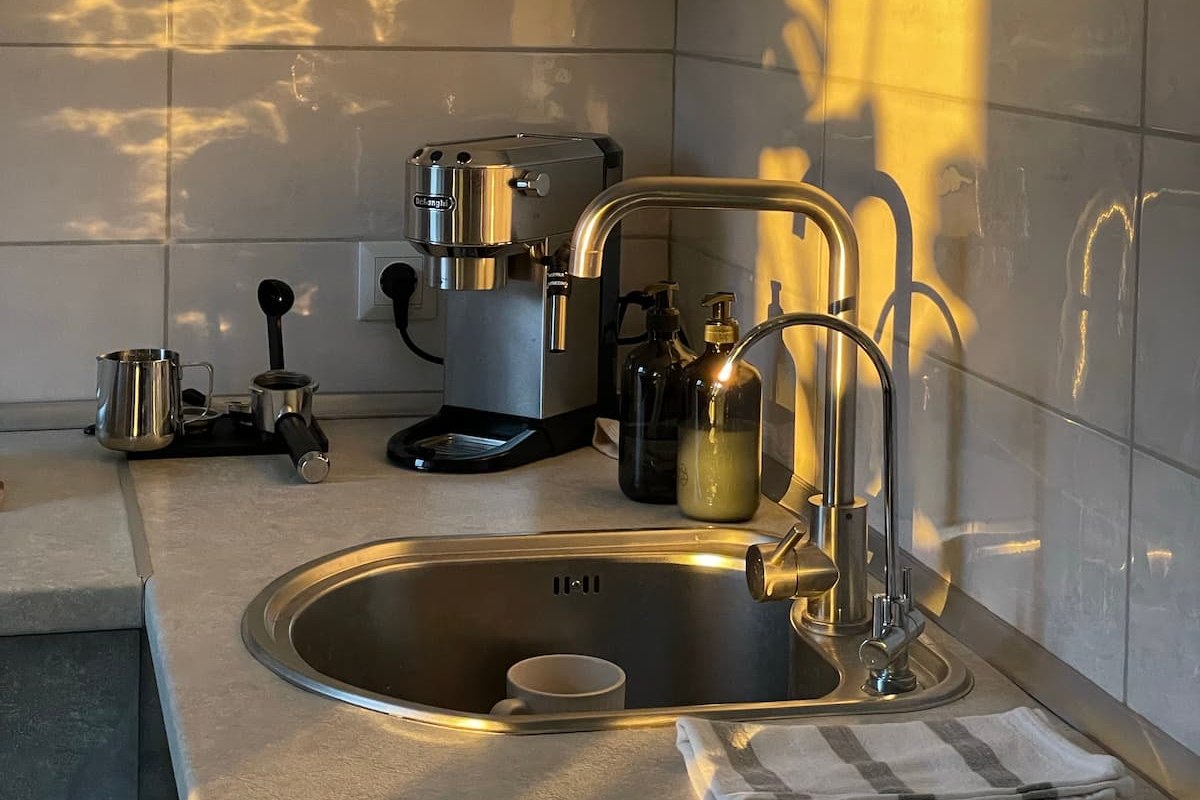
- Clear the kitchen counter (about 4 minutes). Put away anything that lives elsewhere, wipe the counter and leave it clear. Waking up to a clear counter is the biggest win of the whole routine.
- Return shared-room items (about 3 minutes). Carry things back to where they belong: the mug in the living room, the mail on the table, the shoes by the door. A basket for things that belong upstairs makes this faster.
- Set out tomorrow’s clothes (about 3 minutes). Pick the outfit and any bag, keys or lunch items so the morning has fewer decisions.
- Check the trash and the dishes (about 3 minutes). Take out a full bin, start the dishwasher or wash what’s left, and empty the sink.
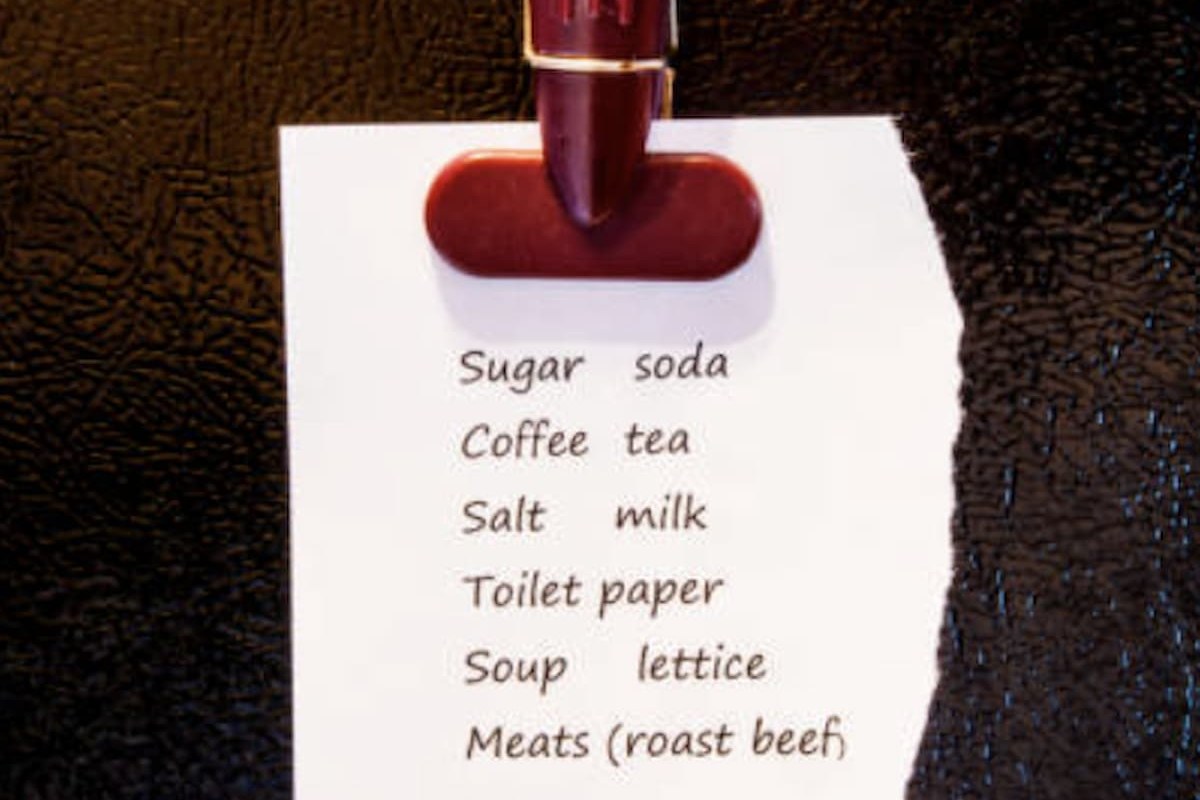
- Write a short shopping list (about 2 minutes). Note what’s running low: milk, rice, trash bags. Keep the list on your phone or on the fridge.

| Step | Minutes |
|---|---|
| Clear the kitchen counter | About 4 |
| Return shared-room items | About 3 |
| Set out tomorrow’s clothes | About 3 |
| Check the trash and the dishes | About 3 |
| Write a short shopping list | About 2 |
The small rituals that go with it
Alongside the 15 minutes, Fatih keeps a few tiny habits that cost almost nothing:
Adjusting the routine to your home
- Small apartment. You may not need the shared-room step, so use those minutes for the entryway: shoes in a rack and the bag on a hook. Our guide to entryway organization has ideas.
- Family with kids. Turn it into a team effort. A five-minute “everyone puts away their own things” round before the 15-minute clock starts can halve your work.
- Lots of laundry. Add a quick basket check. Start or fold one load. If you want a better system, see how to organize a small laundry area.
- Working from home. Add 2 minutes to close the laptop, clear the desk and put papers in one tray.
- Very tired night. Do only step 1, the counter. It’s the one that matters most. A single clear surface is a win.
What a reset looks like, room by room
If “shared rooms” feels vague, here’s a quick picture of what each space needs. You won’t do all of this every night. Pick what fits your 15 minutes.
- Kitchen: counter clear and wiped, dishes in the dishwasher or drying, sink empty, trash taken out if it’s full.
- Living room: cups and plates back to the kitchen, blankets folded, remotes and chargers in one spot, mail in a single tray.
- Bedroom: clothes in the hamper or put away, tomorrow’s outfit out, a clear spot for your phone and keys.
- Bathroom: towels hung, counter cleared of anything that lives in a drawer, a quick sink wipe. Our guide to organizing a small bathroom shows how to give everything a home.
- Entryway: shoes lined up, bags on hooks, keys in a bowl.

Why routines like this fail, and how to fix it
- The list is too long. If it takes 40 minutes, you won’t keep it. Cut it down until it fits comfortably in 15.
- Things have no home. You can’t put an item away if it doesn’t have a place. Decide on a spot for the things that keep ending up on the counter, using our kitchen declutter steps if you need them.
- It’s tied to willpower. Attach it to a fixed moment, such as the end of dinner, so you don’t have to decide when to start.
- Perfection creeps in. The goal is a calmer morning, not a spotless house. “Good enough” is the standard.
A weekly rhythm to go with it
The evening reset handles daily mess. For bigger jobs, Fatih divides the week, giving each day one small task so nothing becomes a marathon. This is his own plan and it doesn’t have to match anyone else’s:
- Sunday: weekly meal plan and shopping list (see weekly meal planning).
- Monday: laundry and a short kitchen clean.
- Tuesday: bathroom check and surface wipe-down.
- Wednesday: fridge check and a list of what’s missing.
- Thursday: clothes and entryway.
- Friday: only the daily reset.
- Saturday: a deeper clean or small jobs around the house.
The point isn’t this exact schedule. It’s splitting housework across days so it doesn’t land all at once. Swap days to fit your week.
A quick fridge check that fits Wednesday
A fridge check is a good use of five minutes. University of Illinois Extension says refrigerated leftovers should be used within 3 to 4 days, and that leftovers should be refrigerated or frozen within two hours of serving. Check dates on containers, throw out what’s past its time and note what you’re low on. If produce is an issue, see our guide to storing fresh fruits and vegetables so they last longer.
What to do when you fall off the routine
You will. Everyone does. Illness, travel and long days happen. The trick is to make restarting easy:
- Don’t catch up. Skip the guilt and don’t try to clean three days at once. Just do tonight’s 15 minutes.
- Shrink it. Do only the counter and the dishes for a few days.
- Anchor it. Attach it to something you already do, such as right after dinner or when the kettle goes on.
- Keep it visible. A short list on the fridge removes the “what should I be doing” question.
Start tonight: a printable-style checklist
- Clear and wipe the kitchen counter.
- Put shared-room items back where they belong.
- Set out tomorrow’s clothes and bag.
- Check the trash and dishes.
- Add anything running low to the shopping list.
You can tick off a version of this checklist on our homepage. For a bigger kitchen reset, take a look at the weekend kitchen declutter, then keep it going with 15 minutes a night. The kitchen cleaning order guide adds a weekly top-to-bottom clean when you’re ready for it.
Reset questions, answered
What is a 15-minute evening reset?
A short nightly routine that keeps the house from piling up. Fatih’s version has five steps: clear the kitchen counter, put shared-room items back, set out tomorrow’s clothes, check the trash and dishes, and write a short shopping list if needed.
Is 15 minutes really enough?
For daily upkeep, usually yes. It’s not meant to deep-clean the house. It stops mess from building up, so weekend cleaning gets lighter. On very tired nights, doing only the kitchen counter still helps.
What if I miss a few days?
Don’t try to catch up on everything. Do tonight’s 15 minutes, or shrink it to the counter and the dishes for a few days. Attaching the routine to something you already do, like right after dinner, helps it stick.
How do I fit bigger chores into the week?
Fatih spreads them across days: Sunday meal plan and shopping list, Monday laundry and a short kitchen clean, Tuesday bathroom, Wednesday fridge check, Thursday clothes and entryway, Friday only the daily reset, and Saturday a deeper clean or small jobs. Adjust the days to fit your life.
How can I get kids or family involved?
Add a quick “everyone puts away their own things” round before the timer starts. Shared-room items are the easiest place to split the work.
How long do leftovers last in the refrigerator?
University of Illinois Extension says to use refrigerated leftovers within 3 to 4 days, and to refrigerate or freeze them within two hours of serving.
Sources and further reading
This guide is mainly based on Fatih’s own routine: the five-step evening reset, the small daily rituals and the weekly plan are personal habits, not research findings. The timing of each step, the variations for different homes and the restart advice are suggestions based on common practice. The leftovers guidance in the fridge check follows University of Illinois Extension’s leftovers page.
Keep reading
 Kitchen · 9 min readHow to declutter a kitchen in one weekendA practical two-day plan to clear counters, sort cabinets and keep the kitchen tidy.
 Home Organization · 8 min readHow to organize a small laundry areaPractical ideas for organizing a small laundry room or closet: sorting, storage, safe detergent storage and dryer safety basics.
 Home Organization · 7 min readEntryway organization ideas for small spacesSimple ideas to keep a small entryway tidy using walls, hooks and a few smart habits.